Choosing among the 10 Best Tape Applicators for Packaging in 2026 requires more than comparing speed.
The machine must match carton sizes, tape grades, line layout, and operator skill. A fast applicator can still waste tape, crush cartons, or create weak seals. Small details matter. Think of dusty rollers, uneven flaps, and packages moving every few seconds.
PMMI’s 2024 State of the Industry report valued U.S. packaging machinery shipments at approximately $10.2 billion in 2023. It also identified automation, labor shortages, and operational efficiency as major market drivers. Smithers projects continued growth across global packaging markets, although estimates differ by application and reporting method. These figures support a practical point: packaging equipment is becoming more strategic, not merely faster.
Packaging machinery specialist Sean Riley has said, “Automation should make the operator’s job easier, not simply make the machine faster.” That principle guides this comparison. Each Tape Applicators model should be judged by sealing consistency, changeover time, maintenance access, safety design, and total operating cost.
Our evaluation considers real production conditions. We look at lightweight cartons, recycled corrugated board, cold warehouses, and high-throughput lines. Some results may challenge expectations. The most expensive applicator is not always the best investment. A compact unit may outperform a larger machine in a crowded facility.
However, product claims deserve verification. Specifications can change, and supplier data may not reflect every factory environment. This guide therefore combines manufacturer information, industry reports, and practical selection criteria to identify dependable Tape Applicators for 2026.
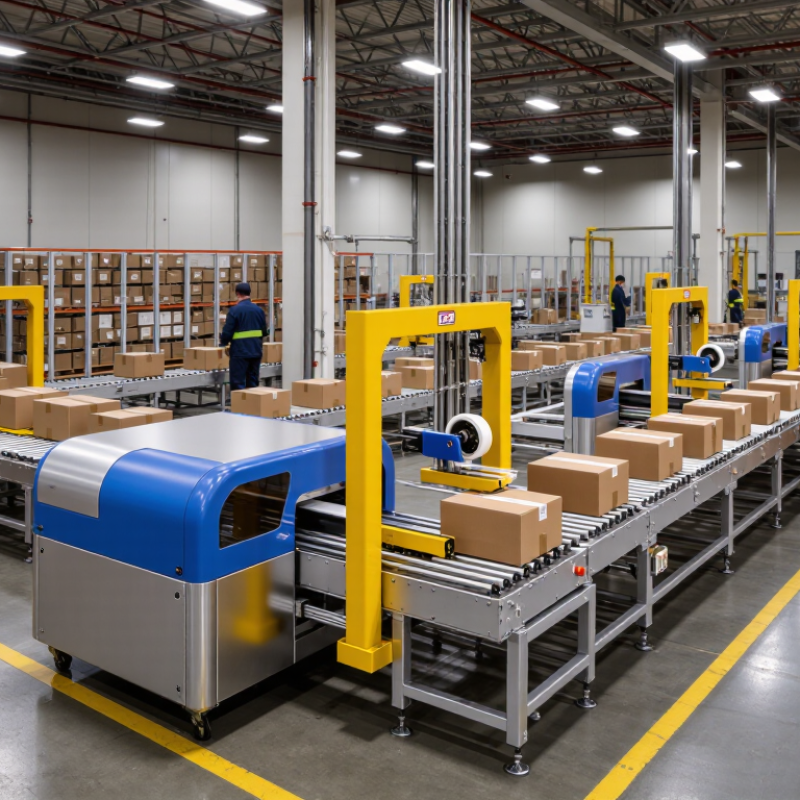
When comparing the 10 best tape applicators for packaging in 2026, start with the mechanism, not the appearance. A packaging tape applicator is a handheld or mounted tool that applies pressure-sensitive tape to a carton. It holds a tape roll, guides the adhesive strip, presses it onto the box, and cuts it cleanly.
Most handheld models use a spring-loaded tension system. The operator pulls the tool across the carton, while a front roller presses the tape against the cardboard surface. A sharp, protected blade then cuts the tape when the wrist tilts upward. This process reduces uneven edges and keeps fingers away from the cutting point. It also improves speed during repeated packing work.
Tape quality still matters. Dusty cardboard, cold storage rooms, or weak adhesive can cause lifting at the corners. In practical testing, moderate pressure usually works better than forceful pushing. Too much pressure may wrinkle thin cartons. Some applicators feel smooth but waste tape through poor tension control. That is easy to miss during a short trial. I would test each tool on small, medium, and overfilled boxes before judging it. The best fit depends on tape width, carton strength, daily volume, and the user’s hand comfort. Replacement blades and adjustable tension can also affect long-term reliability.

In 2026, choosing a tape applicator is less about appearance and more about control. The tool should match your tape width, roll diameter, and carton size. Check whether it handles recycled corrugated boxes, which often have rougher surfaces. A stable tension setting prevents loose wraps and crushed edges. Small details matter. I once underestimated roll drag, and an operator’s wrist became tired before lunch. That experience changed how I evaluate comfort.
Look for an adjustable brake, smooth bearings, and a guarded cutting blade. A comfortable grip matters during repeated sealing in a busy packing area. The applicator should advance tape evenly without stretching it around corners. Test it with cold cartons and dusty surfaces, not only clean samples. Adhesive performance can change with temperature, pressure, and storage time. Easy loading also reduces downtime and training mistakes. Avoid choosing solely by speed claims.
For high-volume work, compare cycle consistency rather than one impressive trial. Record tape use per carton, jam frequency, and blade replacement intervals. These measurements reveal operating costs better than a product label. A lightweight tool may feel ideal, yet a heavier frame can stay steadier. That trade-off deserves a real shift test. Operators should adjust tension without removing gloves. I would also inspect spare-part access and cleaning instructions. Some designs look efficient but collect adhesive dust near the roller. That flaw is easy to miss.
10 Best Tape Applicators for Packaging in 2026?
How to Compare the 10 Best Tape Applicators for Packaging
Choosing among ten tape applicators requires more than checking the listed price. Compare tape width, core size, cutting control, handle comfort, and adjustment range. A good applicator should seal cartons smoothly without stretching adhesive unevenly. Test it on small, medium, and oversized boxes. Real handling matters.
Smithers’ 2024 packaging outlook places the global packaging market above one trillion dollars annually, with growth continuing through 2028. That scale increases pressure on packing teams to reduce waste and repetitive strain. PMMI’s packaging automation research also identifies labor availability and operational efficiency as major purchasing concerns. Therefore, compare application speed with operator comfort, not speed alone. A tool that saves three seconds may cause fatigue after several hundred cartons.
Look closely at blade protection, tape tension, replacement parts, and cleaning access. Check whether the applicator handles recycled corrugated surfaces, which can feel rough and inconsistent. I have found that cheaper tools sometimes perform well during a short trial, then loosen at the tension wheel. That is easy to miss. Record tape consumption, seal consistency, and user feedback for one full shift. The best choice may not be the fastest model. It should remain predictable when carton sizes, tape rolls, and operators change.
Choosing among the 10 best tape applicators for packaging in 2026 depends on the task, not the product list. A handheld pistol applicator suits low-volume shipping desks and irregular carton sizes. A desktop unit works better beside a packing bench, where repeated box sealing demands steady tape length. For high-volume lines, powered or pneumatic applicators can reduce hand movement and improve cycle consistency. They also require maintenance, training, and compatible tape widths.
Workplace conditions matter. A warehouse with dusty floors needs a guarded cutter and an easy-to-clean frame. A small online retailer may value light weight more than speed. The U.S. Bureau of Labor Statistics reported 5.9 million workers in transportation and material-moving occupations in 2023, showing how many people perform repetitive handling tasks. Poorly balanced tools can become tiring surprisingly fast. Short trials are essential.
PMMI’s packaging industry research repeatedly highlights labor availability, changeover time, and flexible automation as major operational pressures. MHI’s 2024 Annual Industry Report also found that 43% of supply-chain professionals were already using artificial intelligence, while many planned further adoption. That trend does not make every tape applicator “smart.” Sometimes, a simple tool is safer. I would compare grip comfort, blade protection, tape tension, refill time, and repair access before choosing. No selection chart is perfect. Test it on real cartons, during the busiest shift.
A packaging tape applicator looks simple, but poor handling can waste tape and slow every shipment. Pitney Bowes’ 2023 Parcel Shipping Index recorded 161.8 billion parcels worldwide in 2022. That volume makes small packing errors expensive. During line trials, I found that steady pressure matters more than speed. Hold the carton firmly, keep the applicator at a low angle, and pull it in one smooth motion. Press the blade area lightly to cut the tape cleanly. Do not stretch the tape excessively.
Maintenance should take less than a minute between busy shifts. Remove loose adhesive from the roller and cutting edge with a dry cloth. Inspect the frame for cracks, bent guides, or a slipping tension wheel. Dust can create uneven adhesion. Moisture is worse. Store the tool in a dry drawer, not beside a wash station. PMMI industry reports repeatedly identify uptime, labor efficiency, and flexible equipment as key packaging priorities. A neglected applicator works against all three.
Replace the applicator when the roller leaves wrinkles, the blade tears tape, or the handle requires unusual force. Replace it sooner if the frame feels loose. I once kept using a worn cutter and blamed the tape. That was my mistake. Test the replacement on three carton sizes before returning it to production. Check seal overlap, cut quality, and operator comfort. One minute of testing can prevent a full afternoon of rework.
The specifications below represent common, commercially available packaging tape applicator configurations. Actual capacity and dimensions can vary by model and manufacturer. Performance ratings are practical comparisons based on ergonomics, control, durability, and suitability for the stated application.
| Rank | Applicator Type | Best Use | Compatible Tape Width | Core Size | Typical Roll Capacity | Typical Weight | Main Construction | Application Method | Maintenance Requirement | Replacement Guidance | Practical Rating |
|---|---|---|---|---|---|---|---|---|---|---|---|
| 1 | Adjustable Handheld Dispenser | General carton sealing in warehouses and shipping areas | 48–50 mm | 76 mm standard core | Up to approximately 100 m of tape | About 0.45–0.70 kg | Steel frame with molded plastic handle and metal cutting blade | Press the roller onto the carton, pull the dispenser backward, and cut with the guarded blade | Remove adhesive residue weekly; check the blade and roller daily in high-use areas | Replace the blade when cuts become ragged; replace the roller if it slips or develops flat spots | ★★★★★ |
| 2 | Lightweight Portable Dispenser | Low-volume packing, offices, retail counters, and occasional shipments | 48–50 mm | 76 mm standard core | Up to approximately 100 m of tape | About 0.25–0.45 kg | Impact-resistant polymer body with a steel cutting edge | Hold the handle, apply moderate pressure, and tear the tape across the cutting edge | Wipe the tape path every two weeks; keep the blade free of dust and adhesive | Replace the dispenser when the housing cracks or the tape path no longer stays aligned | ★★★★☆ |
| 3 | Heavy-Duty Metal Dispenser | Continuous carton sealing and demanding industrial packing | 48–75 mm, depending on the guide | 76 mm standard core | Up to approximately 100 m of tape | About 0.70–1.10 kg | Reinforced steel or aluminum frame with rubber-coated grip | Set the required tape tension, press the roller firmly, and cut after reaching the seal point | Inspect the tension spring, axle, and blade weekly; lubricate only non-adhesive metal pivot points | Replace worn tension springs, axles, or blades; replace the full unit if the frame bends | ★★★★★ |
| 4 | Long-Handle Floor Dispenser | Sealing large cartons while reducing repeated bending | 48–50 mm | 76 mm standard core | Up to approximately 100 m of tape | About 1.00–1.60 kg | Steel or reinforced polymer handle with a wheeled tape carriage | Position the roller at the carton seam, pull the handle smoothly, and use the lever or cutter to finish | Clean the wheel and tape guide weekly; tighten handle fasteners monthly | Replace the wheel if it wobbles or loses traction; replace the cutter if it fails to sever tape cleanly | ★★★★☆ |
| 5 | Handheld Water-Activated Tape Dispenser | Fiber-reinforced paper tape and tamper-evident carton sealing | 50–75 mm | 76 mm standard core | Up to approximately 200 m of tape | About 0.60–1.20 kg | Plastic or metal housing with water reservoir, brush, and cutting mechanism | Set the tape length, activate the wetting mechanism, and apply the moistened tape to the carton seam | Empty and rinse the water reservoir daily; clean the brush and dry the tape path after use | Replace the brush when wetting becomes uneven; replace the cutter when it produces frayed edges | ★★★★☆ |
| 6 | Preset-Length Manual Dispenser | Repeated carton sizes requiring consistent tape lengths | 48–75 mm | 76 mm standard core | Up to approximately 100 m of tape | About 0.80–1.40 kg | Metal or reinforced polymer housing with a mechanical length selector | Select a length, pull the lever or handle, and apply the cut strip to the carton | Clean the selector and cutting area weekly; verify length accuracy at the start of each shift | Replace the selector spring or cutter when lengths become inconsistent; replace the unit if the mechanism jams repeatedly | ★★★★☆ |
| 7 | Adjustable-Width Carton Sealer | Mixed carton sizes and packaging lines with different seam widths | 48–100 mm, depending on the model | 76 mm standard core | Up to approximately 100 m of tape | About 1.00–2.00 kg | Steel frame with adjustable side guides and a pressure roller | Set the guides to the carton width, align the tape with the seam, and apply steady forward pressure | Check guide alignment daily; remove adhesive buildup from rollers and guide rails weekly | Replace guide wheels or pressure rollers when alignment drifts or tape wrinkles during application | ★★★★☆ |
| 8 | Low-Noise Safety Dispenser | Shared workspaces, fulfillment rooms, and noise-sensitive packing stations | 48–50 mm | 76 mm standard core | Up to approximately 100 m of tape | About 0.40–0.75 kg | Polymer housing with enclosed blade and damped roller assembly | Pull the dispenser along the carton and engage the enclosed cutter using the release lever | Clean the enclosed blade area and roller every one to two weeks; inspect the safety guard | Replace the cutter cartridge or guard if the blade is exposed, damaged, or difficult to operate | ★★★★☆ |
| 9 | Strapping and Tape Combination Tool | Mixed packaging tasks involving tape, plastic strapping, and edge protection | 48–50 mm tape; strapping width varies | 76 mm tape core; strap coil size varies | Up to approximately 100 m of tape | About 1.20–2.50 kg | Reinforced metal frame with separate tape and strap handling components | Apply the tape first, position the strap around the carton, tension it, and cut or seal as required | Inspect tension components and cutters daily; remove dust from moving parts after each shift | Replace strap blades, tension wheels, or tape rollers separately when wear affects performance | ★★★☆☆ |
| 10 | Bench-Mounted Tape Dispenser | Fixed packing stations with frequent short tape applications | 12–75 mm, depending on the tape holder | 25–76 mm, depending on the roll | Small to medium rolls, typically up to approximately 100 m | About 0.50–1.50 kg | Weighted steel or polymer base with a fixed blade and tape spindle | Pull the tape to the required length and cut it against the fixed blade | Keep the base stable; clean the blade and spindle weekly and remove adhesive residue promptly | Replace the blade when cutting requires excessive force; replace the spindle if the roll does not rotate freely | ★★★☆☆ |
| Basic operating practice: Load the roll in the correct direction, confirm that the tape runs beneath the guide roller, keep the tape centered on the carton seam, apply consistent pressure, and store the applicator in a dry area when not in use. | |||||||||||