2026 Best Electric Gate Valve for Global Buyers?
Choosing the best Electric Gate Valve for global buyers in 2026 requires more than comparing price tags. Pressure class, media temperature, actuator torque, body materials, sealing design, and control compatibility can determine long-term performance. A valve installed on a municipal water line faces different demands than one serving steam, chemicals, or abrasive slurry.
Valve-industry author Philip L. Skousen offers a useful principle: “The valve must be selected for the service, not simply for the line size.” This idea remains practical for international purchasing teams. A DN100 valve may fit the pipeline, yet its actuator could be undersized for high differential pressure. Small details matter.
Reliability comes first.
A strong Electric Gate Valve should provide stable shutoff, accurate limit feedback, suitable IP protection, and clear maintenance access. Buyers should also verify voltage, frequency, flange standards, pressure ratings, and documentation before ordering. Regional requirements may differ, even when two projects appear similar.
This guide compares leading valve configurations, actuator options, materials, control features, and supplier support for 2026 projects. It considers total ownership cost, not only the initial quotation. Spare parts, commissioning assistance, and response time can influence results after installation.
There is no universal best choice. That is the uncomfortable part. A technically impressive valve may still perform poorly when sizing data is incomplete or site conditions are misunderstood. Experienced buyers should challenge attractive specifications, request test records, and confirm performance under realistic operating cycles. The final recommendation should reflect the application, not marketing language.
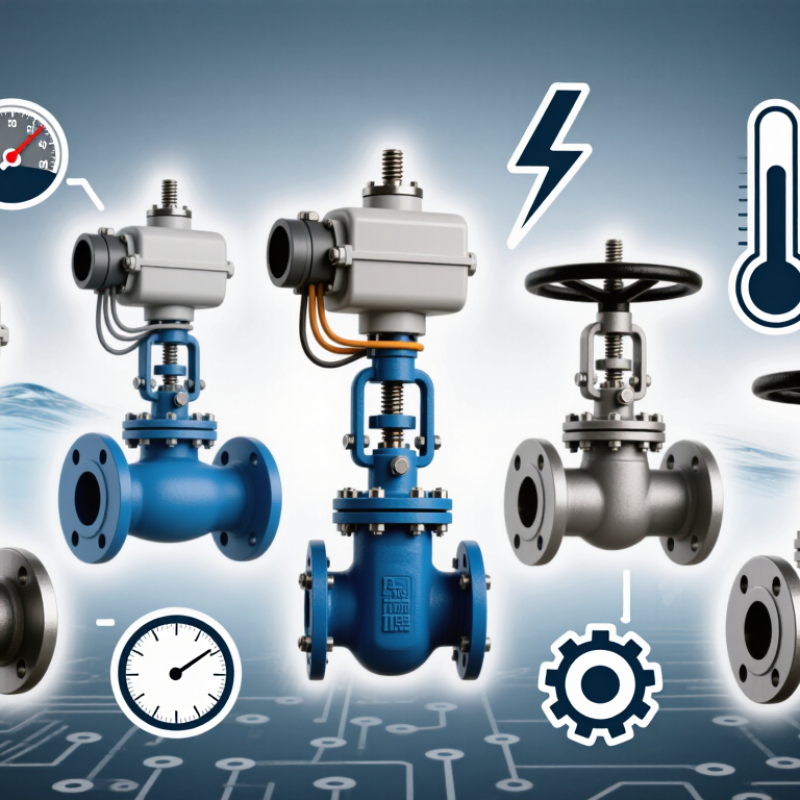
What Is an Electric Gate Valve and How Does It Work?
What Is an Electric Gate Valve and How Does It Work?
An electric gate valve controls fluid flow by moving a solid gate vertically inside the valve body. An electric actuator provides this movement through a motor and gearbox. When the actuator receives an open signal, the motor turns the stem. The gate rises and creates a clear passage for water, steam, oil, or other compatible media. A close signal reverses the motion and lowers the gate onto its sealing surfaces.
This valve is mainly designed for fully open or fully closed service. It offers low flow resistance when fully open, which helps reduce pressure loss in long pipelines. Position switches can report the gate status to a control system. Some models also include manual overrides for power failures.
During field inspections, I would check stem alignment, flange bolts, wiring, and unusual actuator noise. Small installation errors can cause large operating problems.
Selection requires more than matching pipe size. Buyers should verify pressure class, temperature range, body material, seal material, voltage, enclosure rating, and duty cycle. The medium matters greatly. Abrasive slurry may damage sealing surfaces faster than clean water.
A technically suitable valve can still perform poorly with incorrect control settings. That detail is easy to overlook. Weather, maintenance access, and local electrical requirements also deserve careful review. Specifications should be confirmed with qualified engineers before purchase.
Leading Electric Gate Valve Types for Global Applications
2026 Best Electric Gate Valve for Global Buyers?
Leading Electric Gate Valve Types for Global Applications
Electric gate valves support reliable isolation in water, power, mining, and process piping systems. The right type depends on medium, pressure, temperature, and operating frequency. Wedge gate valves provide strong shutoff for clean liquids and general industrial lines. Their compact sealing design suits large pipelines, but poor alignment can increase wear.
Parallel slide gate valves work well in steam and high-temperature services. They tolerate thermal movement better than some wedge designs. Knife gate valves handle slurry, pulp, and fluids containing suspended solids. Their thin gate reduces installation space, although sealing performance may decline with abrasive media. Electric actuators should match torque requirements, travel time, control signals, and local power conditions. Weatherproof or explosion-protected enclosures may be necessary for specific environments.
Tips: Confirm the valve’s pressure class, body material, flange standard, voltage, and fail-position requirements before ordering. Ask for test records, wiring diagrams, maintenance guidance, and actuator duty ratings. A small mismatch can stop an entire line. Buyers sometimes focus on purchase price and overlook cable compatibility, corrosion exposure, or manual override access. That decision can become expensive later. Review site drawings with an experienced valve engineer, and allow room for future inspection. Certain recommendations may change after real operating data becomes available.
Installation, Control, and Maintenance Requirements
For global buyers, the best electric gate valve is not defined by motor size alone. Installation accuracy decides its service life. Mount the valve with the stem vertical when possible, and leave clearance for actuator removal. Pipe stress must not transfer to the valve body. Before energizing, flush the line and check that debris cannot jam the wedge.
Control settings need equal care. Confirm voltage, enclosure protection, torque limits, and open-close feedback before commissioning. A local handwheel should remain usable during power loss. For remote systems, use separated control networks and restricted access. NIST SP 800-82 Rev. 3 identifies network segmentation and least-privilege access as important safeguards for industrial control systems. Small wiring errors can create large failures.
Maintenance should follow operating cycles, not only calendar dates. Inspect terminal tightness, stem movement, seal leakage, and actuator noise. Record current draw during each full stroke. A rising value may indicate friction before the valve stops. The U.S. Department of Energy’s Operations & Maintenance Best Practices Guide links planned maintenance with potential energy savings of 5–20%. McKinsey’s industrial maintenance analysis reports that predictive methods can reduce downtime by 30–50% and maintenance costs by 10–40%. These figures are useful, but not universal. A checklist can still miss corrosion under insulation. Recheck the basics.