2026 Top Rope Clips for Sale Wholesale and Bulk Pricing

Rope Clips are small components, but their details shape purchasing decisions. Buyers comparing 2026 wholesale and bulk offers should examine material, gate design, dimensions, finish, packaging, and documented load ratings. A bright zinc finish may look consistent under warehouse lighting; the rating and test documentation matter more.

Public market reports rarely isolate rope clips as a distinct product category. Broad hardware or fastener forecasts can offer context, but they should not be presented as rope-clip sales data. For reliable comparisons, request current supplier specifications, batch traceability, and test reports, then confirm that each document matches the exact model offered. Details matter.

The U.S. Consumer Product Safety Commission’s public product-safety resources provide a useful framework for checking product information and potential hazards. They do not certify every rope clip or replace model-specific testing. That distinction is easy to miss. A quotation attributed to a named rope-clip expert also needs a verifiable primary source; without one, repeating a polished-sounding claim would weaken trust. This guide therefore focuses on evidence buyers can inspect: clear specifications, consistent samples, and transparent bulk pricing. A lower unit price may help, but only when the product and documentation match the order.
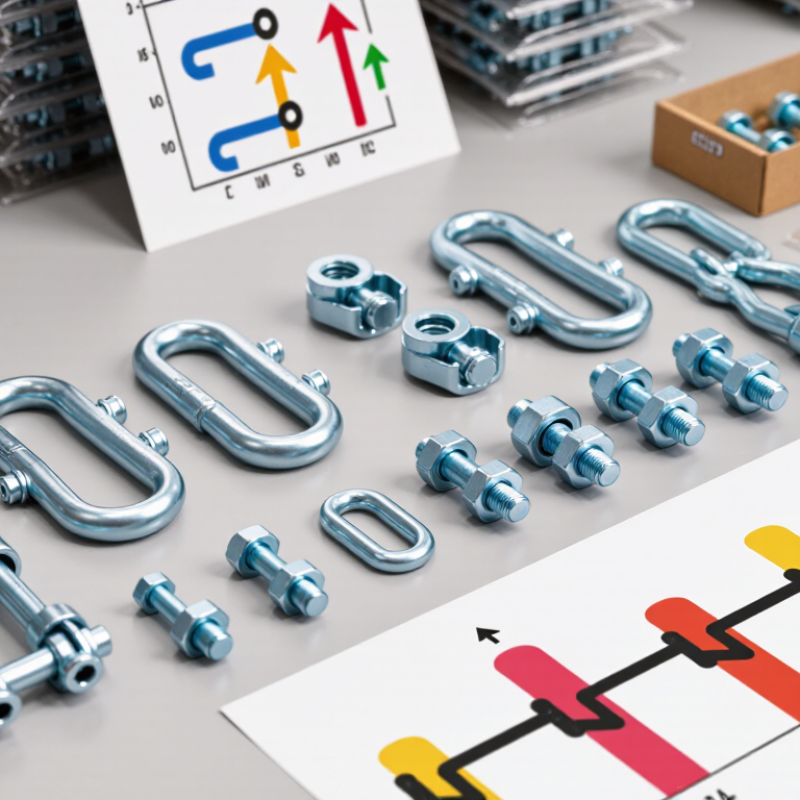
2026 Top Rope Clips for Sale Wholesale and Bulk Pricing

What Rope Clips Are and How They Are Used

Rope clips are small mechanical fittings used to secure a rope end or hold two sections together. For wire rope, a common design uses a U-shaped bolt, a saddle, and two nuts. Tightening the nuts presses the rope strands firmly in place. Other rope materials may need clips made for their diameter and construction. The fit matters. A clip that is too large can slip; one that is too small may crush or damage the rope.

People use rope clips to form an eye around a thimble, tidy a loose end, or make an adjustable attachment for suitable general-purpose tasks. Installation should follow the clip maker’s instructions, including the required number and spacing of clips. Keep the rope clean, seat the saddle correctly, and check that nuts remain tight after use. For lifting, fall protection, or other critical loads, use only a properly rated assembly and have the setup assessed by a qualified professional. A basic clip is not automatically safe for those jobs. That distinction is easy to miss.

When comparing clips for wholesale or bulk purchasing, check rope diameter, material compatibility, finish, and published load information. Ask for consistent specifications across the order, not just a low unit price. Even careful installation can be imperfect, so inspect clips and rope regularly for corrosion, deformation, fraying, or movement.


Common Rope Clip Types and Their Key Differences

Rope clips differ in how they connect, close, and handle loads. Snap hooks open with a spring-loaded gate, making them quick to attach to compatible loops. They suit frequent connections, but the gate and body must be rated for the intended use. A light-duty hook is not a substitute for climbing or lifting hardware. Check the marked working load limit, material, and closure before ordering in bulk.

Screw-gate connectors add a threaded sleeve that helps prevent accidental opening. They take longer to operate. Spring clips are faster, while screw-gate styles offer added closure security when correctly tightened. Rope clamps and grabs work differently: they grip or guide rope rather than simply linking two points. Their shape and rope-diameter range matter, since a poor fit can slip or damage fibers. For wholesale purchases, compare specifications across each clip type, not just unit price. Ask for test documentation and inspect sample pieces; packaging can hide small differences in gate movement or finish. I’d still verify compatibility with the actual rope before placing a large order.

Materials, Sizes, and Load Ratings to Compare

When comparing rope clips for wholesale or bulk orders, start with the material. Stainless steel resists corrosion in wet or coastal settings, while galvanized steel can suit many general-purpose applications at a lower cost. Check the finish closely: rough edges may abrade rope fibers, and thin coatings can wear at contact points. Small details matter. Plastic clips are lighter, but their limits differ by design and environment.

Compare clip dimensions with the rope diameter, not just the listing’s broad size label. A clip that pinches a 10-millimeter rope can weaken fibers; one that is too loose may slip. Load ratings need equal care. Confirm whether a stated figure means working load limit or breaking strength, and do not treat them as interchangeable. Ratings can vary with material, installation, rope type, and loading direction. For lifting, climbing, or other life-safety uses, choose equipment specifically rated for that purpose and follow its technical documentation. General rope clips are not automatically suitable.

For bulk pricing, request consistent specifications across the full lot, including dimensions, material grade, finish, and test documentation. Ask how the supplier handles inspection and rejects; a sample may look sound while later batches vary. Lowest price is not always best value. I would compare landed cost and replacement risk, though that calculation is easy to underestimate. Check the numbers twice.

2026 Top Rope Clips for Sale Wholesale and Bulk Pricing - Materials, Sizes, and Load Ratings to Compare

Clip Type Typical Material Common Rope Diameter Range Typical Finish Load Rating to Compare Bulk Purchasing Considerations Typical Applications
Forged U-bolt wire rope clip Forged carbon steel Common catalog sizes range from about 1/8 in to 1-1/2 in (about 3 mm to 38 mm); available sizes depend on the product series. Often hot-dip galvanized; other finishes may be offered. There is no single rating for all clips of this type. Compare the stated working load limit (WLL), rope diameter, clip count, spacing, and installation instructions for the specific product. Request quantity breaks by rope diameter and finish. Confirm packaging quantities and whether nuts are included. General-purpose wire-rope terminations where the selected product and installation method are appropriate for the application.
Malleable-iron U-bolt wire rope clip Malleable iron body with steel U-bolt and nuts, depending on design Commonly offered in small and medium wire-rope diameters; verify the product’s marked size range. Often galvanized or zinc-coated, depending on specification. Do not infer capacity from clip size or appearance. Use only the rating and assembly instructions provided for the exact clip and rope combination. Compare carton quantity, unit price at each order tier, coating specification, and product identification on packaging. Light- to general-purpose wire-rope assemblies when allowed by the applicable product instructions and use requirements.
Stainless-steel U-bolt wire rope clip Stainless steel; grade 316 is commonly selected for improved corrosion resistance, while other grades may also be available. Available in a range of rope diameters; confirm the clip’s stated size and compatibility with the rope construction. Typically stainless finish; surface appearance varies by manufacturing process. Ratings are product-specific and may differ from carbon-steel versions of the same nominal size. Check the published WLL and installation requirements. Ask suppliers to identify the stainless grade, traceability documentation, and price breaks by size and order quantity. Marine, outdoor, and corrosive environments where the specified stainless grade is suitable.
Drop-forged wire rope clip Forged steel; material and grade should be stated in the product specification. Multiple sizes are commonly available; select by the actual wire-rope diameter, not by nominal rope use alone. Commonly galvanized or supplied with another specified protective finish. Check the manufacturer’s WLL, proof-test information if supplied, required number of clips, and assembly efficiency instructions. For bulk orders, compare material certificates where required, inspection documentation, lead time, and consistent sizing across the shipment. Applications requiring a specified forged clip, subject to the product rating and governing requirements.
Duplex / double-saddle wire rope clip Steel or stainless steel, depending on the product Size range varies by design; verify compatibility with the rope diameter and construction. Varies by material and supplier specification. Use the rating and installation instructions for the exact duplex design. Do not substitute a rating from a U-bolt clip of similar size. Confirm whether the assembly is supplied complete and compare per-piece pricing at the same size, material, and finish. Wire-rope terminations where the product design is specifically selected and installed according to its instructions.

Pricing and availability vary by material, rope diameter, finish, order quantity, and supplier; request a dated wholesale quotation for current pricing. “Rope clip” here refers to wire-rope clips. A clip’s capacity cannot be determined from size alone. For any lifting or life-safety use, select hardware specifically approved and rated for that use, follow the applicable standard and manufacturer’s instructions, and have the assembly assessed by a qualified person.

How Wholesale and Bulk Pricing Is Determined in 2026

Wholesale and bulk pricing for rope clips in 2026 will depend on more than order size. Buyers should compare material grade, clip dimensions, rated load, finish, packaging, and inspection records. A stainless-steel clip may cost more than a basic zinc-plated option, especially when corrosion resistance and documented testing are required. Tooling, labor, freight, and order timing also shape the unit price. Ask suppliers to separate these costs in their quotation. It makes comparisons clearer.

Demand matters, too. The Outdoor Industry Association’s 2024 Outdoor Participation Trends Report counted 175.8 million U.S. participants in outdoor recreation during 2023. That figure signals a broad customer base, but it does not predict rope-clip orders on its own. For bulk planning, request tiered quotes at several quantities and confirm whether prices include testing, packaging, and delivery. Check that samples match production specifications. Small differences matter.

A practical quote should show minimum order quantity, lead time, payment terms, and the price break at each volume. Buyers should also ask how defects and replacement units are handled. The awkward part: the lowest unit price can hide inconsistent inspection or costly freight. Review the details before committing. The market can shift, and a forecast is still only a forecast.

How to Evaluate Suppliers and Place a Bulk Order

When comparing wholesale rope clip suppliers, look beyond the unit price. Ask for material specifications, dimensions, finish details, and documented test results for the intended application. A neat product photo cannot confirm strength or corrosion resistance. Request a sample and inspect its gate action, edges, and consistency across several pieces. Small flaws matter.

Check whether the supplier can maintain the same specifications across repeat orders. Ask how batches are identified and what happens if incoming goods fail inspection. Clear answers build confidence; vague promises do not. If clips will support people or loads, verify that the product is rated and tested for that exact use. Do not treat appearance or a low price as proof of suitability.

Before placing a bulk order, confirm the minimum quantity, production lead time, packaging, payment schedule, and shipping terms in writing. Compare the delivered cost, not just the quoted price per clip. Start with a manageable trial quantity when possible. It may feel slower, but it can reveal finish problems or packaging damage before a larger shipment arrives. Share a simple inspection checklist with the supplier, then keep the approved sample for comparison.

One detail is easy to miss: confirm that the product code and specifications on the invoice match the goods you approved.

Get a Quote
910-483-7828