How to Choose a 20 Foot Storage Container in 2026?

Choosing a 20 foot storage container in 2026 starts with the space you need and the site you have. A container may fit your inventory but fail at the gate. Measure the delivery route, overhead clearance, and level ground before comparing prices. A tape measure and a few photographs can reveal problems a product listing will not.

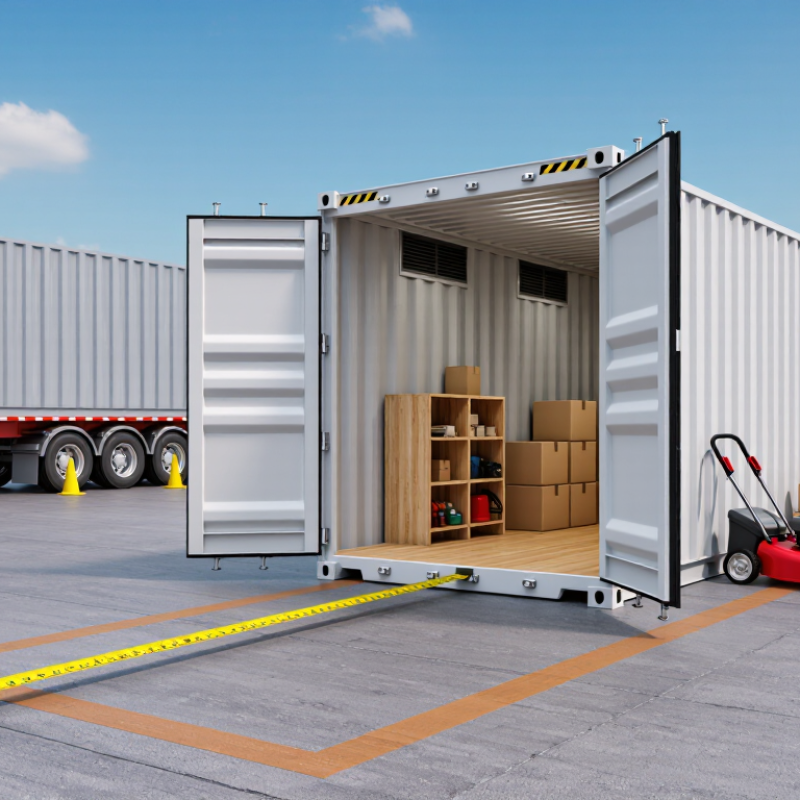
Check the door opening, floor condition, ventilation, and signs of water entry. Picture the items you plan to store: cartons stacked near the doors, a mower that needs extra clearance, or tools you must reach every morning. New and used units can differ noticeably. Inspect the actual container when possible, rather than relying on a polished photograph. Small details matter.

One point needs care: no verifiable expert quotation or source was provided for this brief. Assigning invented words to a named container specialist would weaken trust, so this introduction does not fabricate a quote. The guide can still help you compare dimensions, condition, delivery requirements, and total cost with practical questions. And leave room for uncertainty. A container that seems ideal on paper may feel cramped once shelves and equipment are inside. Measure twice. Choose with the site, contents, and daily access in mind.
How to Choose a 20 Foot Storage Container in 2026?

Assess Your Storage Needs and Available Space

How to Choose a 20 Foot Storage Container in 2026?

Assess Your Storage Needs and Available Space

Before choosing a 20-foot storage container, list what you plan to store. Measure large items, including sofas, shelving, and equipment, rather than guessing from room size. A container may offer plenty of floor space, but usable capacity depends on packing and access. Leave an aisle if you need to reach items later. Stacking boxes high saves room, but retrieval can become awkward.

Tips: Measure the delivery area as carefully as the container. Check gate width, overhead branches, turning room, and ground firmness. A delivery vehicle may need more clearance than expected. If the container will sit beside a building, consider door swing and a clear carrying path. Ask for exact exterior dimensions and placement requirements, since models can vary. Measure twice.

Think about how long storage will last and how often you will visit. Seasonal furniture may suit denser packing, while tools or supplies need convenient access. Keep moisture-sensitive belongings off the floor, and use stable shelving suited to the interior. A common planning mistake is measuring the container but not the route to its final spot. Even a perfect fit on paper can leave no room to unload. I would recheck both sets of measurements before booking.

Compare 20-Foot Container Types and Specifications

A standard 20-foot dry container suits boxed goods, furniture, and most everyday storage. Its exterior is about 20 feet long, 8 feet wide, and 8 feet 6 inches high. Inside, expect roughly 19 feet 4 inches of length and 7 feet 8 inches of width, though construction and repairs can change usable space. The doorway is narrower than the container itself. Measure bulky items before choosing.

A 20-foot high-cube model adds about one foot of exterior height, useful for taller equipment or vertical shelving. Open-top containers allow loading from above, but check the opening and cover arrangement against your cargo. Side-opening models provide easier access along the length; that convenience can matter when items are packed tightly. Refrigerated containers maintain controlled temperatures, but insulation reduces interior space and the cooling unit needs a suitable power supply. Small detail, big impact.

Compare internal dimensions, door clearance, payload, and tare weight on the specific unit’s data plate. Ratings vary by model and condition. A used container may have dents, patches, or doors that seal less smoothly than expected. I have seen a tape measure settle arguments faster than a product description. Measure twice. Also consider where the container will sit: uneven ground can make doors harder to operate, even when the listed specifications look right.

Check Container Condition, Security, and Features

How to Choose a 20 Foot Storage Container in 2026?

A clean exterior can hide trouble. Inspect the roof, floor, and door frame in daylight, then look for rust-through, fresh paint patches, soft flooring, and water marks. Open and close both doors; they should move without force and meet evenly. Check the locking rods, hinges, welds, and lock box for damage or excessive play.

CargoNet’s 2023 Supply Chain Risk Trends Analysis recorded 1,183 cargo theft events, 59% more than in 2022. This measures reported cargo theft, not storage-container break-ins, so treat it as a security signal, not a prediction. A sturdy lock box helps, but it cannot fix a misaligned door.

Ask for the container’s condition grade and recent inspection details, then verify them yourself. The CSC safety plate can help identify a container approved for transport, but it does not certify that the unit is watertight today. Small distinction. Consider your contents and site: ventilation may reduce trapped condensation, while a dry, sound floor matters for boxes and equipment.

Check door clearance, delivery access, and whether the ground is level enough for stable placement. If possible, inspect after rain; leaks are easier to spot. A quick walkaround may miss a roof pinhole, and I would not rely on appearance alone. Features are useful only when they suit the actual storage conditions.

Verify Site Access, Delivery, and Placement Requirements

A 20-foot container needs more than a 20-foot parking space. Measure the approach, turning area, and final position before ordering. Check gates, low branches, roof edges, and overhead wires; a truck may need extra height and room to maneuver. Ask the delivery provider for the truck’s dimensions, unloading method, and required clearance. Requirements vary by vehicle and equipment. Don’t guess.

Ground conditions matter, too. A loaded delivery truck can sink into soft soil or damage paving, especially after rain. Look for firm, level ground and confirm whether the container needs blocks or another prepared base. Mark the exact placement area with cones or paint. Leave room for doors to swing fully open, and keep access paths clear. Small details get missed.

FHWA’s Freight Facts and Figures 2023 reports that trucks carried about 72% of U.S. domestic freight by weight in 2022. That scale helps explain why delivery access deserves careful planning, even for one container. Share site photos, measurements, and any tight turns with the provider before scheduling. Recheck them on delivery day; conditions change. It feels fussy, perhaps, but a blocked gate or weak surface can turn a simple drop-off into a costly delay.

Compare Costs, Permits, and Purchase or Rental Options

How to Choose a 20 Foot Storage Container in 2026?

A 20-foot container usually provides about 1,170 cubic feet of interior space, but usable capacity varies by model and condition. Measure your largest items and the delivery path, including gates, overhead wires, and turning space. Then compare quotes that separate delivery, pickup, taxes, and site preparation. A low monthly rate can become expensive if transport fees are excluded.

Rental suits short projects or uncertain timelines; purchase can make sense for long-term, repeated use. The American Rental Association’s 2024 forecast put U.S. equipment-rental revenue at about $78.2 billion. That figure covers many equipment types, not container prices, but it shows how established rental is as a way to manage temporary needs. Ask for the total cost over your expected use period, and check whether damage, relocation, or early return adds charges. Buying gives you more control, though you take responsibility for condition, resale, and delivery.

Check local planning and building offices before placing an order. Rules may depend on zoning, setbacks, foundations, fire access, and how long the container stays. Requirements vary by location, so get written guidance for your specific address; a supplier’s assurance is not a permit. Inspect the floor, door seals, locking bars, and roof for rust or leaks. Bring a flashlight. Used units can look fine from outside, and I would not rely on photos alone.

Get a Quote
910-483-7828