How to Choose the Best Stand Up Pouch for Your Products?
Choosing the best Stand Up Pouch for your products can be a challenging task. With various options available, understanding your needs is crucial. Stand Up Pouches are popular for their versatility, offering convenience and a modern aesthetic. This type of packaging can enhance your brand's visibility on the shelf.
Consider the materials used in Stand Up Pouches. High-quality barrier films can protect contents from moisture and air. However, not all materials are suitable for every product. Reflect on the specific needs of your items to avoid potential spoilage. For instance, snacks may require different pouch qualities than liquids.
Design is another critical factor. The right graphics can attract customers and communicate your brand. But, ensure that your design aligns with your product's image. Seek feedback on prototypes, as this can illuminate potential flaws. A great Stand Up Pouch is both functional and appealing, driving growth and customer satisfaction.
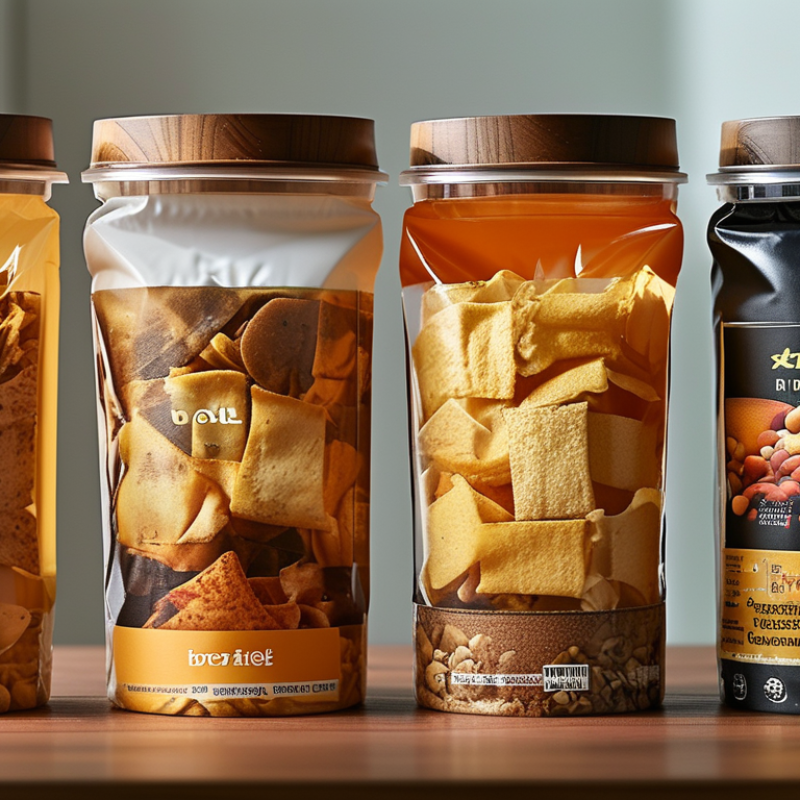
Understanding Stand Up Pouches and Their Benefits for Products
Stand up pouches have gained popularity due to their versatility and convenience. Understanding these pouches can help you choose the right one for your products. They offer an excellent space-saving design, making them ideal for both retailers and consumers. Their ability to stand on shelves allows for attractive displays. This can attract more attention from potential buyers.
When selecting a stand up pouch, consider your product’s specific needs. Think about the material. Some pouches provide better protection against moisture and oxygen. This is crucial for food items and sensitive materials. Also, consider the size. Ensure it’s not too bulky or too small. A perfect fit can enhance user experience.
Tips: Test samples of different pouches with your product. This helps you gauge their effectiveness. Also, gather feedback from customers on their preferences. Sometimes, the most appealing design may not suit the product well. Be open to adjustments based on real-world usage. This iterative process can greatly improve product satisfaction and shelf life.
Identifying Your Product's Specific Packaging Needs and Requirements
Choosing the right stand-up pouch is crucial for product success. Each product has unique packaging needs. Understanding these specific requirements is essential for effective packaging.
Material choice is vital. Consider the contents and their sensitivity to light, moisture, and air. High barrier films may be necessary for perishable items. For dry goods, standard films might suffice. Think about the product's shelf life when making decisions.
Design also matters. The pouch's shape, size, and closure type should align with the product's characteristics. If you have a fragile item, a reinforced bottom may help. A spout can facilitate easy pouring.
Tips: Test packaging in real scenarios. This can reveal weaknesses. Pay attention to consumer feedback. It can provide insights into improvements. Regularly review your packaging strategy to stay relevant. The market changes, and so do customer preferences.
Comparison of Stand Up Pouch Types for Product Packaging
This bar chart illustrates the suitability scores of different stand up pouch materials for packaging. The scores range from 1 to 10, based on factors such as durability, barrier properties, and sustainability. Plastic and aluminum foil pouches receive the highest scores, indicating their effectiveness for a variety of products.
Evaluating Materials and Barrier Properties for Stand Up Pouches
Choosing the right stand-up pouch for your product involves careful consideration. One crucial aspect is the material used in the pouch. Different materials have varying barrier properties that affect shelf life, freshness, and protection against external elements. Common materials include plastic films, metallized films, and foil laminates. Each option has its own benefits and drawbacks.
Tips: Consider the product inside the pouch. Some items may require higher barrier properties against moisture or oxygen. For instance, snacks need a pouch that maintains crispness. Meanwhile, liquid products may require additional sealing strength. Evaluating these needs helps you make informed choices.
Another key element is the thickness of the material. Thinner materials can reduce costs but may compromise protection. A balance is essential. Reflect on your product's journey from packaging to the consumer. Is the pouch durable enough to prevent damage during transit? You might need to run tests to measure the effectiveness of your chosen material in real-world conditions.
Tips: Always seek feedback from customers. Their insights on packaging durability and convenience are invaluable. Engage in real-world scenarios to gain a clearer understanding. Remember, it’s not just about aesthetics; functionality plays a vital role in customer satisfaction.
Exploring Design Options: Size, Shape, and Closure Mechanisms
Choosing the right stand-up pouch can be a game-changer for your product. The design options you select must align with your product's needs. Size, shape, and closure mechanisms play a crucial role in the consumer's experience. According to a recent market report, approximately 80% of consumers consider packaging design critical when making purchasing decisions. This highlights the importance of thoughtful design.
When considering size, think about your product's volume and market demand. Pouch sizes range from small samples to large family bulk packs. A pouch that is too large may lead to waste, while one that is too small can limit your market appeal. The shape is also vital. A flat pouch can save shelf space, while a wider base allows for better stability.
For closure mechanisms, options like zipper seals or tear notches enhance usability. Research from packaging experts indicates that convenience features increase customer satisfaction by up to 25%. A zipper can provide resealability, which is particularly attractive for perishable goods.
Tip: Always prototype designs before full-scale production. Test how well they hold up under practical conditions. This can save costs and allow room for changes if the initial designs aren't as functional as expected. Understanding the consumer's needs is key to effective packaging.
Assessing Cost-Effectiveness and Sustainability of Stand Up Pouches
When evaluating the cost-effectiveness and sustainability of stand up pouches, several key factors emerge. The global flexible packaging market is projected to grow at a CAGR of 4.2% from 2021 to 2028, indicating a rising trend in the use of flexible solutions like stand up pouches. One primary advantage is their lightweight nature, which reduces transportation costs. Studies show that lighter packaging can cut carbon emissions by up to 30%. However, the lifecycle environmental impact of materials used must be critically assessed.
Sustainability is increasingly crucial for consumers. Reports indicate that 74% of consumers prefer eco-friendly packaging options. Stand up pouches made from biodegradable materials or recycled content can significantly enhance a brand’s image. Yet, there are challenges. Many biodegradable options still require industrial composting facilities, which are not widely available. Potentially, this creates a disconnect between consumer desire for sustainable options and the underlying infrastructure needed to support those choices.
Cost analysis reveals that, while initial investments in sustainable materials might be higher, long-term savings from increased consumer loyalty and lower material usage can offset these costs. Brands must carefully measure performance against the sustainability claims they make. The paradox lies in balancing appealing aesthetics with genuine environmental responsibility. Making the right choice requires thorough research and consideration of all impacts.
How to Choose the Best Stand Up Pouch for Your Products? - Assessing Cost-Effectiveness and Sustainability of Stand Up Pouches
| Pouch Type | Cost per Unit ($) | Sustainability Rating | Recyclability (%) | Shelf Life (Months) |
| Plastic Pouch | 0.30 | Low | 20 | 12 |
| Kraft Paper Pouch | 0.45 | Medium | 60 | 8 |
| Biodegradable Pouch | 0.55 | High | 80 | 6 |
| Recyclable Plastic Pouch | 0.35 | Medium | 50 | 10 |
| Aluminum Foil Pouch | 0.75 | Medium | 30 | 18 |