How to Buy a 10 Foot Shipping Container?
Buying a 10 foot shipping container looks simple until delivery costs, condition, and local requirements change the final price. This guide explains how to compare suppliers, inspect construction, and avoid costly surprises.
John Fossey, a container equipment specialist at Drewry, has said, “The container leasing market is closely linked to global trade volumes.” That observation matters for buyers. Availability and prices can shift with trade demand, port activity, and seasonal shortages. A reliable purchase begins with a clear purpose. Storage, workshop use, site equipment, and transport may require different specifications.
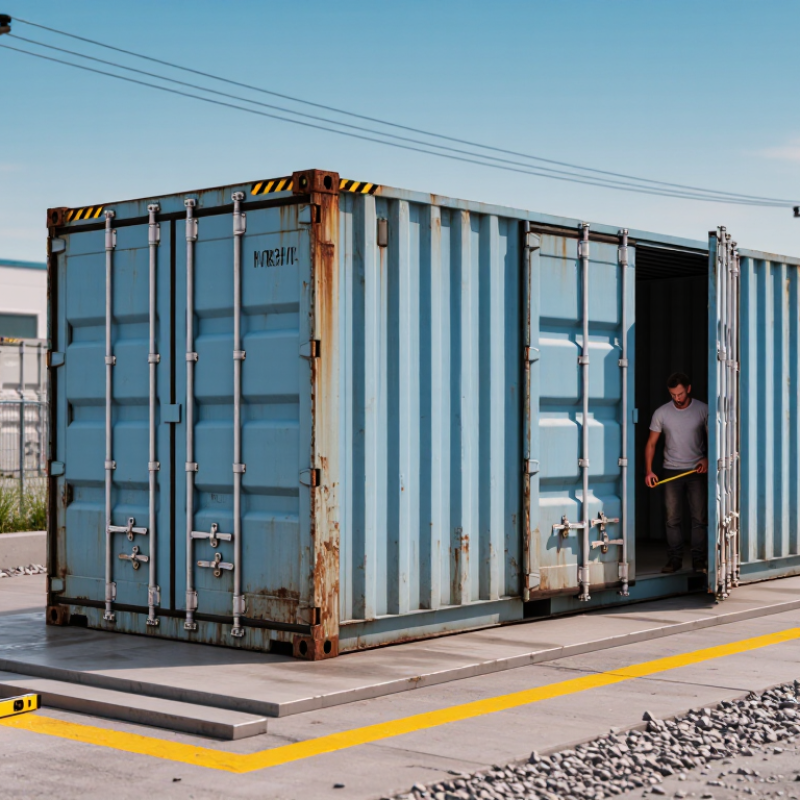
Measure the available space before contacting sellers. A standard 10 foot shipping container is usually about 10 feet long, 8 feet wide, and 8 feet 6 inches high. Actual internal space is smaller. Check the door opening, floor height, ventilation, and roof clearance. A tape measure helps. So does a level surface.
Inspect the container carefully. Look for rust around the corner castings, soft flooring, bent doors, water stains, and damaged seals. Ask for recent photographs, container identification details, and a written condition report. Newer units often cost more, but “wind and watertight” used containers can offer practical value. The phrase is not always applied consistently, however. Confirm what the seller means.
Request a complete delivery quote. It should include transport, unloading, crane equipment, taxes, and possible site-access charges. Narrow entrances and overhead cables can create problems quickly. Check whether local planning or placement rules apply. These details are easy to overlook.
There is no perfect purchase. A cheaper container may need repairs. A premium unit may exceed your actual needs. Compare the total cost, not only the advertised price, and leave room for uncertainty.
Define Your 10-Foot Shipping Container Needs and Intended Use
Before buying a 10-foot shipping container, define what it must do. A container for garden tools needs different features than one used for stock storage or a workshop. Write down the largest item, its weight, and how often you will access it. Measure twice. Door clearance matters.
A standard 10-foot unit is compact, but usable space is limited. Check the internal length, width, and height rather than relying on the advertised size. A pallet, shelving unit, or small machine may not fit as expected. Leave room for safe movement. I have seen buyers focus on floor area and forget the door swing.
Decide whether you need a new, lightly used, or weathered container. Inspect the roof, corner posts, floor, door seals, locking bars, and underside for corrosion or damage. Ask for recent photos, exact dimensions, payload information, and delivery requirements.
If you plan to store tools, ventilation may prevent condensation and rust. For temperature-sensitive materials, basic steel walls may be inadequate. That detail is easy to miss.
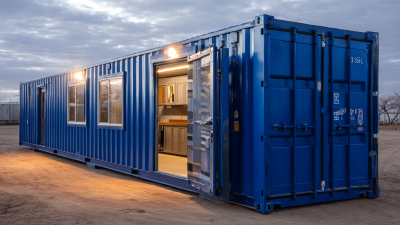
Think about placement before ordering. A firm, level base supports the structure and keeps doors working properly. Confirm that the delivery vehicle can reach the site, with enough overhead and side clearance. Local planning, property, and fire-safety rules may apply, especially if the container becomes a workshop or occupied space. I would not skip this check. A cheap unit can become expensive after unsuitable delivery, repairs, or modifications.
Compare Container Types, Sizes, Conditions, and Essential Features
A 10-foot shipping container can fit narrow driveways, compact yards, and small storage projects. However, its external dimensions vary slightly by manufacturer. Measure your available space, including door clearance and delivery access, before ordering. A standard dry container usually offers the best value for tools, furniture, and boxed materials. High-cube models provide extra interior height, but they may be harder to place under low overheads.
Compare the condition carefully. A new or “one-trip” unit usually has cleaner floors, tighter door seals, and fewer dents. A used cargo-worthy container costs less, yet it may show surface rust, patched panels, or worn locking bars. Wind-and-watertight units protect stored goods, but they are not always suitable for valuable or moisture-sensitive items without added ventilation. Inspect the roof, corners, floor, and door gasket in daylight. Small defects matter.
Features should match the intended use. Look for secure double doors, functioning vents, intact marine-grade plywood flooring, and a lock-protection box. A refrigerated container is unnecessary for ordinary storage and requires specialized power. Open-top designs help with tall cargo, although they offer less weather protection. Ask for recent photographs, exact internal measurements, repair records, and delivery terms. My practical mistake was trusting a “good condition” label without checking the floor. Labels are not inspections. Also confirm whether the container can be unloaded safely at your property.
Set a Budget and Evaluate Sellers, Delivery, and Local Regulations
How to Buy a 10 Foot Shipping Container?
Set a Budget and Evaluate Sellers, Delivery, and Local Regulations
Buying a 10-foot shipping container starts with a realistic budget, not an attractive online price. Include the unit, sales tax, inspection, transport, unloading, ground preparation, and possible repairs. A used container may show surface rust, worn door seals, or a floor stain. Ask for recent photos, dimensions, and a written condition report. I would reserve 15% for surprises. That cushion matters, because my first estimate once missed crane access.
Choose sellers who answer specific questions clearly and provide a verifiable business address, invoice, and delivery terms. Ask whether the container is wind-and-watertight, cargo-worthy, modified, or sold as-is. Those labels can mean different things, so request definitions in writing. Compare at least three quotes. A low quote may exclude unloading or include a narrow delivery window. Do not rely on stock photos. They hide damage.
Measure the driveway, overhead clearance, turning space, and final placement area before ordering. A 10-foot unit still needs a suitable truck and stable, level support. Confirm whether delivery requires a crane, tilt-bed truck, or temporary street access. Contact your local planning or building office about setbacks, permits, drainage, and property restrictions. Rules vary by location and intended use. Keep emails, permits, and signed terms together. I would also confirm who pays if the truck cannot enter. That detail is easy to overlook.
Inspect the Container and Verify Its Quality Before Purchase
How to Buy a 10 Foot Shipping Container?
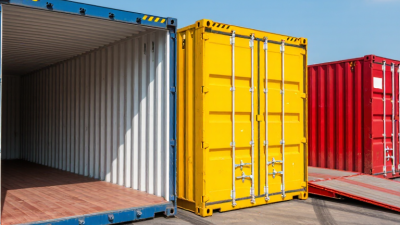
A ten-foot shipping container may look simple, but its condition can vary sharply. Inspect it in daylight, preferably after rain. Water marks often reveal leaks that dry weather hides. Walk around the entire exterior and check for deep dents, twisted corner posts, or fresh paint over rust. The doors should open smoothly and close evenly. Test the locking bars by hand. Stiff movement can signal bent hardware.
Inside, inspect the roof, ceiling seams, and floor closely. Small pinholes may appear as bright dots when sunlight enters from outside. Press suspicious floor areas with a screwdriver, but ask permission before testing. A solid floor should feel firm, not soft or springy. Check for chemical smells, standing water, mold, and insect damage. I have learned that a clean appearance can hide costly repairs. Photos are useful, but they are not proof of quality.
Tips: Bring a flashlight, gloves, a tape measure, and a small level. Record each defect with photographs and written notes. Ask for the container’s age, previous use, repair history, and delivery dimensions. Confirm the quoted price includes inspection, transport, and placement. If the seller rushes your decision, pause. A second inspection may save money. Also, measure your access route carefully; a narrow gate or low branch can make delivery impossible.
How to Buy a 10 Foot Shipping Container? Inspect the Container and Verify Its Quality Before Purchase
Typical 10-foot containers are approximately 10 ft long, 8 ft wide, and 8 ft 6 in tall externally. Interior dimensions are smaller; exact measurements vary by design and condition. Before buying, measure the unit and inspect for corrosion, leaks, floor damage, and doors that do not seal or operate smoothly.
Complete the Order, Arrange Delivery, and Prepare the Installation Site
How to Buy a 10 Foot Shipping Container?
Buying a 10-foot shipping container starts with a detailed order, not a rushed form. Decide whether you need a new or used unit. Ask for external dimensions, internal space, door opening, tare weight, floor condition, and corrosion details. Request current photos of the exact container. Confirm the price, taxes, delivery charge, unloading method, and payment schedule in writing.
Small details matter.
Before delivery, measure the entrance, turning space, ground slope, and overhead clearance. Include trees, fences, cables, and parked vehicles. The delivery truck may need more room than the container itself. Ask what equipment will unload it. Keep the route clear on delivery day. Someone should inspect the container before signing. Check the doors, seals, roof, floor, locking bars, and visible dents. Photograph each side. Note problems on the delivery paperwork.
Prepare a firm, level base before the truck arrives. Compacted gravel or a suitable concrete pad can reduce movement and standing water. Support the container evenly, especially near its corner posts. Leave enough space for doors to open fully. Check local site rules before installation.
My first site plan missed drainage, which created muddy access after heavy rain. That mistake was avoidable.
Do not cut walls or add electrical systems without qualified guidance. A level placed under the doors can reveal small ground problems early.