How to Buy Second Hand Shipping Containers?
Buying second hand shipping containers requires more than finding the lowest online price. A container may look sound in photographs, yet hide corrosion beneath the floor, patched roof panels, or damaged door seals. Christian Roeloffs, CEO of Container xChange, has emphasized, “Transparency is essential when making decisions in the container market.” That principle should guide every purchase.
Begin by defining the container’s intended use. A weatherproof storage unit needs different features from a container used for export transport. Check its length, height, corner castings, doors, flooring, ventilation, and previous cargo history. Ask for recent inspection photographs, repair records, and the container identification number. A reliable seller should explain the grading system clearly. Terms such as cargo-worthy, wind-and-watertight, and as-is are not interchangeable.
Inspect the details.
Look closely at the roof edges. Water often enters there first. Open both doors and test their locking bars. Uneven movement can indicate structural stress. Also confirm delivery access, crane requirements, taxes, and placement costs before paying a deposit. These expenses are easy to overlook.
An independent inspection is valuable, especially for distant purchases. It may feel unnecessary for a low-cost unit. That judgment can be expensive. I have seen buyers focus on paint quality while ignoring floor repairs and delivery restrictions. The perfect container probably does not exist. The practical goal is a safe, suitable, and honestly described unit. Compare several suppliers, keep written records, and choose verified condition over attractive promises.
Define Your Needs: 20-Foot, 40-Foot, High-Cube, or Specialized Units
Choosing the right second-hand shipping container starts with its intended use. A 20-foot unit suits compact storage, workshops, and restricted sites. It is easier to position and usually costs less to transport. A 40-foot container offers nearly twice the floor space, but requires more room for delivery and placement. Measure your access route, turning space, and foundation before buying.
A high-cube container provides about one extra foot of internal height. That difference matters when storing tall equipment, shelving, or bulky materials. Specialized units need closer inspection. Refrigerated containers may require working cooling systems and reliable power. Open-top and side-opening models can simplify loading, but their doors, seals, and roof structure need careful checks. Internal dimensions vary slightly, so use the seller’s measurement sheet rather than assumptions.
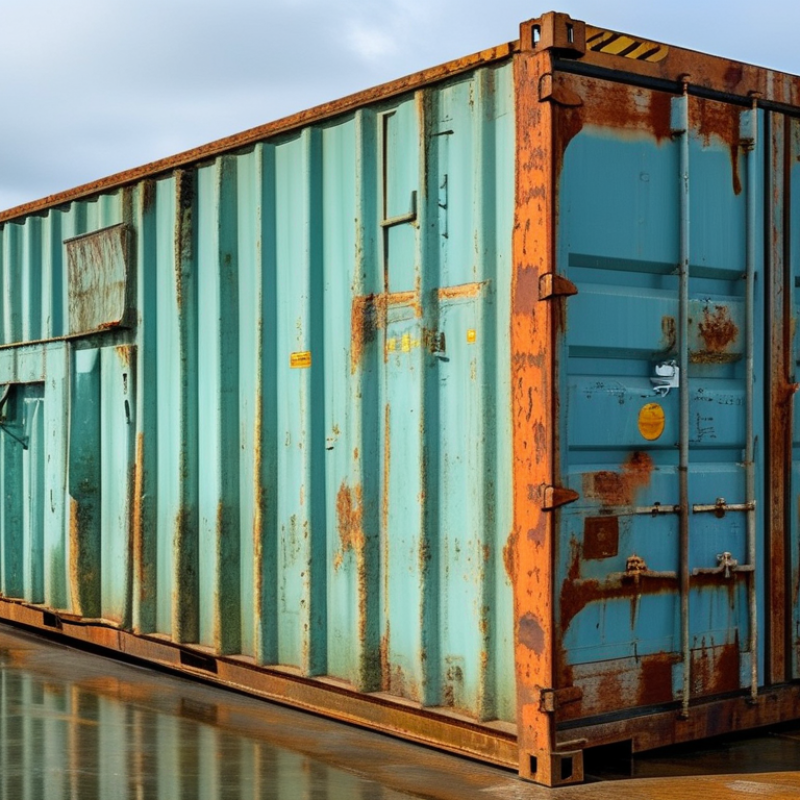
Tips: Inspect the floor for soft patches, oil damage, and standing water marks. Check corner posts, roof rails, doors, hinges, and locking bars for distortion. Surface rust can be manageable; deep corrosion may weaken the structure. Ask for clear photos, repair records, and the container’s age. I would not trust a fresh coat of paint alone. It can hide problems, and I have seen buyers overlook damaged door seals. Leave room for delivery costs, lifting equipment, and minor repairs.
How to Buy Second-Hand Shipping Containers: Choose the Right Size
Compare the typical usable internal volume of common container types before inspecting a second-hand unit. Actual dimensions may vary by manufacturer, age, insulation, and repair history.
Standard 20-foot containers suit compact storage, while 40-foot and 40-foot high-cube units provide more capacity. Specialized refrigerated containers typically offer less internal volume because of insulated walls and cooling equipment. Always verify internal measurements, door clearance, floor condition, corrosion, and watertightness before purchase.
Set a Budget Using Used-Container Lifespans of 8–12 Years
How to Buy Second Hand Shipping Containers?
Set a Budget Using Used-Container Lifespans of 8–12 Years
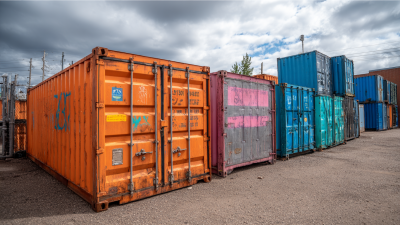
A used shipping container may offer 8–12 more years of service, depending on its age and condition. Treat this range as a planning guide, not a guarantee. Salt air, standing water, harsh sunlight, and poor repairs can shorten its useful life. A container stored inland may perform better than one exposed to coastal weather.
Start with the purchase price, then add delivery, unloading, repairs, and local preparation costs. A weathered 20-foot container might need new door seals, floor treatment, or exterior coating. These small items can change the final budget quickly. Leave a repair reserve of 10–20 percent. That cushion feels unnecessary until a damaged corner post appears.
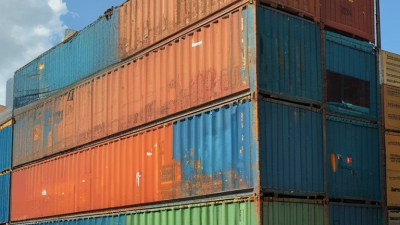
Inspect the roof, underside, doors, locking bars, floor, and internal odor. Look for pinholes, deep rust, bent frames, and soft flooring. Ask for the manufacture date and maintenance records when available. Do not rely only on fresh paint. It can hide corrosion. A lower-priced unit may become expensive after transport and repairs. I would rather pay slightly more for a dry, structurally sound container than gamble on a cosmetic bargain. The 8–12-year estimate also deserves regular review, especially after storms or repeated relocation.
Inspect Doors, Floors, Roofs, and Frames Under IICL Guidelines
How to Buy Second Hand Shipping Containers?
UNCTAD’s Review of Maritime Transport 2024 recorded about 28.5 million TEU of cellular container capacity worldwide in early 2024. That scale means used units vary greatly in age, service history, and repair quality. IICL inspection guidance offers a practical benchmark, but it does not replace a hands-on examination. Ask for the container’s inspection date, repair records, identification plate, and previous cargo history.
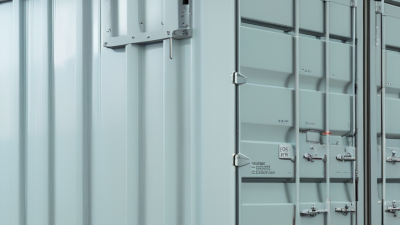
Begin with the doors. Open both leaves fully and check hinges, locking bars, cams, seals, and corner castings. The doors should close without forcing them. Look for daylight around the gasket. Small gaps can become serious water entry points. Then inspect the floor from inside. IICL-based checks focus on broken boards, soft areas, protruding nails, oil contamination, and unsafe repairs. Tap suspicious sections. Hollow sounds deserve further investigation.
Look upward before negotiating. The roof should show no active leaks, deep corrosion, or patched holes. From outside, inspect frame alignment, corner posts, rails, and welds for bends or fresh paint hiding damage. ISO 668 sets standard external dimensions, including approximately 6.058 metres for a 20-foot unit, so visible distortion matters. IICL repair limits can help judge acceptable damage, but buyers often overlook concealed frame movement. I have seen clean-looking boxes fail a simple door test. That mistake is avoidable. Require dated photographs, independent inspection, and a written condition report before payment.
Arrange Delivery for Containers Weighing About 2.2–4.0 Metric Tons
How to Buy Second Hand Shipping Containers?
When buying a second-hand shipping container, delivery planning deserves careful attention. A 20-foot steel unit often weighs about 2.2–2.4 metric tons empty. A 40-foot unit commonly reaches 3.7–4.0 metric tons. These figures are practical estimates, not guaranteed specifications. ISO 668:2020 defines container dimensions and ratings, but tare weight remains unit-specific. Ask for the container number, tare marking, dimensions, and recent inspection photos before booking transport. Small details matter.
The International Maritime Organization’s SOLAS verified gross mass rules require accurate weight information for loaded containers. Although local delivery may not involve a sea voyage, the same discipline improves lifting and road safety. Request a certified weighbridge ticket when the weight is uncertain. Include the truck, chassis, crane, and unloading method in the plan. A 2.2-ton container can still become dangerous if soft ground shifts beneath a mobile crane. Confirm gate width, overhead cables, turning radius, and a level unloading area. Leave extra capacity. Real sites rarely match the listing.
UNCTAD’s Review of Maritime Transport 2024 recorded 2.4% growth in seaborne trade during 2023, supporting continued container circulation worldwide. That circulation creates varied handling histories. Check corner castings, forklift pockets, floor damage, door bars, and corrosion around lower rails. The Convention for Safe Containers provides a safety framework, but a CSC plate cannot confirm present condition. Ask an independent inspector to assess corrosion and door alignment. Get written delivery terms covering access delays, crane hire, waiting time, and surface damage. I would also budget for a failed first attempt. It happens.