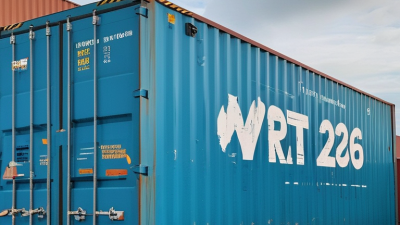
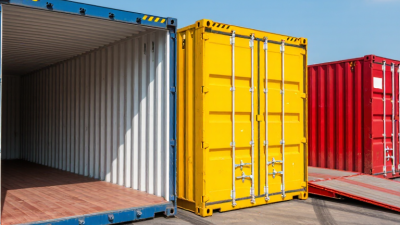
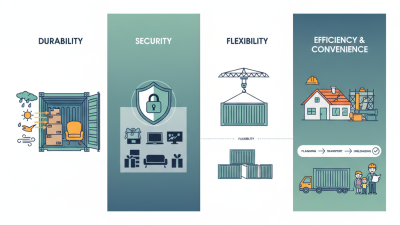
Choosing the right container can influence loading efficiency, cargo protection, and delivery costs. This guide examines the top 10 cube shipping containers used in global shipping, focusing on practical performance rather than attractive specifications alone.
A cube container usually provides extra internal height, making it useful for lightweight, bulky cargo, stacked cartons, machinery parts, and retail fixtures. That additional space can reduce wasted volume inside a standard container. However, more capacity does not always mean better value. We will compare dimensions, door design, flooring, ventilation, corrosion resistance, payload limits, and handling features. Small details matter, such as a clean locking bar, strong corner castings, and a dry floor without damaged boards.
Real shipping decisions also depend on route conditions and cargo requirements. A container moving through humid ports may need better weather sealing than one used on a short inland route. Buyers should verify certification, inspection records, maximum gross weight, and compatibility with approved handling equipment. Manufacturer data and carrier requirements deserve careful checking.
Not every option will suit every business. That is the honest part. Some containers offer impressive volume but create higher handling or storage costs. Others look basic yet perform reliably for years. The rankings will consider evidence, field experience, maintenance needs, and total operating value. Readers should still confirm current specifications with suppliers, carriers, and relevant authorities before booking international transport. Mistakes happen. Careful verification prevents expensive surprises.
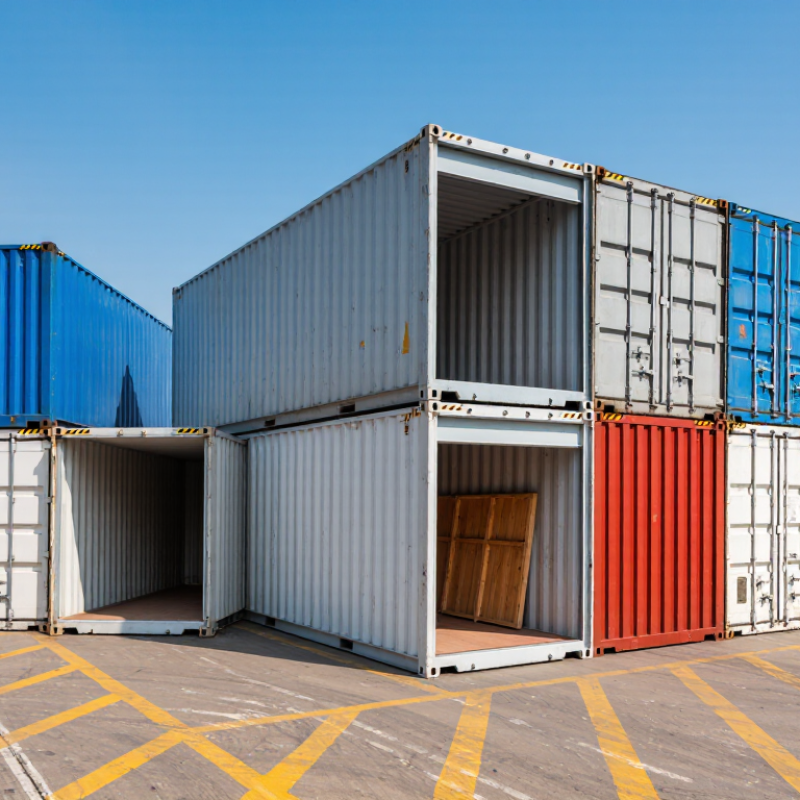
Cube shipping containers, often called high-cube containers, provide extra internal height for international cargo. A common high-cube unit stands about 9 feet 6 inches tall externally, roughly one foot higher than a standard container. That added space can hold lightweight, bulky goods without increasing the floor area.
A practical top-ten comparison may include standard high-cube, refrigerated, insulated, open-top, side-opening, double-door, flat-rack, tank, ventilated, and specialized cargo containers. Each design serves a different shipping condition. Refrigerated units protect temperature-sensitive goods, while open-top containers suit tall machinery. Flat racks handle oversized loads, but they require careful securing and route approval.
In daily logistics planning, the container label is never enough. Check internal dimensions, maximum payload, door clearance, floor strength, and inspection records. Cargo may fit by volume but fail at the doorway. Space matters. Moisture control also deserves attention, especially during long sea routes and changing climates. Desiccants, liners, and proper ventilation can reduce condensation damage, though none works perfectly in every environment.
Reliable operators verify the container’s structural condition, safety certification, and handling history before loading. They also compare port equipment, rail limits, road restrictions, and destination unloading capacity. A taller box can improve efficiency, yet it may create clearance problems on inland routes. That trade-off is easy to overlook. A careful loading plan, accurate weight declaration, and documented cargo securing method support safer, more predictable global trade.

Top 10 Cube Shipping Containers for Global Shipping?
When comparing the top ten cube container types, start with usable capacity, not exterior appearance. A standard 20-foot unit usually offers about 33 cubic metres. A 40-foot high-cube unit provides roughly 76 cubic metres, with an internal height near 2.69 metres. The 45-foot high-cube can exceed 85 cubic metres, but port and road acceptance varies. ISO 668 sets the main dimensional framework, while CSC safety rules support international handling. UNCTAD’s Review of Maritime Transport 2024 reported more than 30 million TEU of global container capacity. That scale makes small specification errors expensive.
Compare payload, tare weight, door clearance, floor rating, and lashing points. Reefer high-cubes add insulation and temperature control, but consume more internal space. Open-top units suit tall or crane-loaded cargo. Side-opening models improve access, while flat racks handle oversized machinery. Tank containers require precise volume, pressure, and compatibility checks. For the top ten options, record internal length, width, height, cubic capacity, maximum gross mass, and inspection status. I have found that a larger cube is not always better. A 45-foot unit may waste space when warehouse bays, chassis, or inland routes are limited. The Freightos Baltic Index also shows how sharply container freight costs can move, so equipment flexibility matters.
Tip: Measure the packed cargo first. Allow ventilation space for refrigerated loads and protect doors from uneven weight. Recheck local axle limits; published container capacity does not guarantee every route. A spreadsheet helps, but it can still miss real handling problems. Test one loaded unit before committing to a large fleet.
Global shipping relies on containers that match cargo, route, handling limits, and available equipment.
UNCTAD’s Review of Maritime Transport 2024 confirms that more than 80% of global merchandise trade moves by sea. ISO 668 dimensions remain the basic reference for container planning. Standard dry containers offer about 33 cubic meters in 20-foot units and 67 cubic meters in 40-foot units. High-cube versions provide roughly 76 cubic meters.
Advertised volume is not usable volume.
The top ten types differ by design, capacity, and use. Standard dry containers suit cartons, machinery, and household goods. High-cube containers fit lightweight, bulky cargo. Side-opening units simplify loading long pallets. Open-top containers handle tall machinery and loose materials. Hard-top units add stronger overhead protection.
Flat racks carry oversized equipment and vehicles. Platform containers support exceptionally wide or heavy loads. Refrigerated containers protect temperature-sensitive food and pharmaceuticals. Insulated containers reduce temperature changes without active cooling. Tank containers transport compliant liquid cargo under applicable standards.
Payload limits, floor strength, door clearance, and route restrictions matter more than simple cubic capacity. The International Maritime Organization’s verified gross mass requirement also makes weighing essential before loading. A recurring planning mistake is choosing a high cube when cargo weight is the real constraint. My ranking is therefore imperfect. The best container can still fail at the final port. Seasonal equipment shortages, documented in recent container availability reports, may also force a practical second choice.
Top 10 Cube Shipping Containers for Global Shipping?
Choosing the right cube container starts with cargo measurements, not the sales label. Measure length, width, height, weight, and loading access carefully. A high-cube dry container suits tall cartons, furniture, machinery parts, and palletized goods. It provides extra internal height, but poor stacking can still waste space. Check door clearance, floor strength, and cargo securing points before booking.
For sensitive cargo, consider insulated, refrigerated, ventilated, or humidity-controlled cube containers. Open-top designs help load cranes and oversized equipment. Side-opening and double-door units improve access at busy warehouses. Tank containers suit approved liquids, while reinforced units handle dense machinery. Flat-rack equipment may work for exceptional dimensions, although it is not a fully enclosed cube container. The tenth option is a modified high-cube unit with partitions or shelving for mixed cargo.
Route conditions matter as much as container design. Confirm port equipment, inland road limits, rail clearances, and seasonal temperatures. A refrigerated unit may need reliable power during terminal storage. A high-cube container can face height restrictions on inland routes. Ask the carrier about accepted dimensions, gross weight, inspection records, and handling limits. Cargo should remain stable after vibration, rain exposure, and repeated transfers.
Small details decide performance. Leave airflow around temperature-sensitive cartons. Protect sharp edges from door panels. Do not rely on estimates. A loading sketch, moisture plan, and route check can prevent expensive changes later. Some cargo plans look efficient on paper, yet fail during actual forklift loading.
Safety, Compliance, and Cost Factors in International Container Shipping
High-cube containers add about 30 centimeters of internal height over standard units. That space suits lightweight, bulky cargo and reduces wasted volume. A practical top-ten shortlist should include 20-foot, 40-foot, 45-foot, open-side, refrigerated, insulated, flat-rack, tank, platform, and ventilated designs. Each type solves a different loading problem. More space is not automatically better.
UNCTAD’s Review of Maritime Transport 2024 reported approximately 858 million TEUs moved through container ports in 2023. That scale makes consistent inspection essential. Check corner posts, door seals, floor strength, CSC plates, and visible corrosion before loading. Weigh the packed container accurately. The SOLAS Verified Gross Mass requirement makes declared weight a safety control, not paperwork. Measure twice. Seal it properly.
Cost decisions need more than the initial hire rate. A high-cube unit may reduce the number of containers required, yet inland height limits can create extra handling charges. Refrigerated and specialized containers also consume energy or require compatible equipment. Freight-rate comparisons should include demurrage, detention, repositioning, inspection, and port fees. Drewry’s World Container Index has repeatedly shown how quickly ocean prices can change. A quotation can age badly. I would also challenge optimistic packing plans; uneven weight distribution, fragile pallets, or a few unused centimeters can erase the expected savings.