In a warehouse handling flammable vapors or combustible dust, an ordinary lift truck may introduce ignition risks. Electrical components, hot surfaces, and static discharge all deserve attention. An Explosion Proof Forklift is engineered to reduce the chance that its operation will ignite a hazardous atmosphere. It is not simply a standard truck with a new label. The details matter.
Depending on its design, the truck may use protected electrical systems, controlled surface temperatures, and specialized components. Its suitability depends on the actual work area, materials handled, and equipment specifications. “Explosion proof” does not mean risk-free. It also does not mean every model suits every hazardous location. Check the manufacturer’s documentation and the site’s equipment requirements before choosing a truck. Small differences can matter.
Capacity is another practical concern. A model must safely handle the load, lift height, and attachments used in daily work. Tires, battery systems, and maintenance procedures may also affect performance. Operators need appropriate training, and inspections should follow the manufacturer’s guidance. Even a carefully selected truck can become unsuitable if its condition changes or the work environment is misunderstood. That part is easy to overlook. This guide explains what an Explosion Proof Forklift is, how its protective features work, and what to consider when evaluating one. It also looks at the limits of the term, because product descriptions alone cannot confirm a truck’s suitability for a specific site. A little caution is useful.
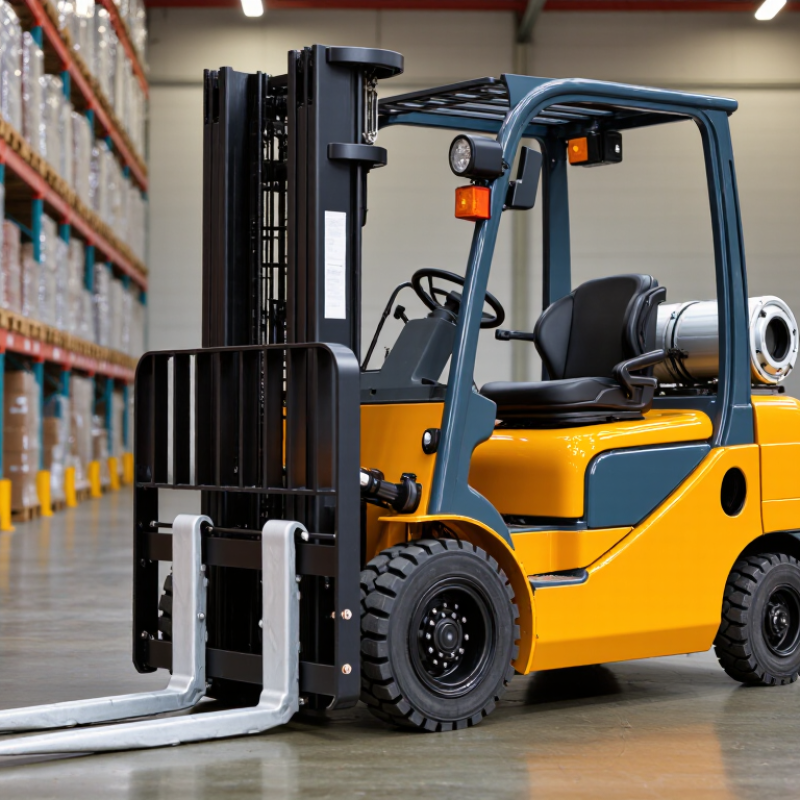
An explosion-proof forklift is an industrial truck engineered for use in specified hazardous areas. These areas may contain flammable gases, vapors, or combustible dust. Its design limits potential ignition sources during normal operation and, where specified, certain equipment faults. Protected electrical enclosures, controlled surface temperatures, and spark-reducing components may form part of the design. Details vary by truck and its approved configuration.
“Explosion-proof” does not mean the forklift is safe in every hazardous environment. It must match the site’s hazard classification and operating conditions. A truck suitable for one gas or dust hazard may not be suitable for another. Check its certification documents, permitted temperature rating, and maintenance requirements with a qualified safety professional. Small details matter, and ratings can be misunderstood.
Tips: Before use, confirm the area classification and inspect the truck’s labels. Keep protective parts intact; even a damaged enclosure can affect safety. Train operators to report unusual heat, impact damage, or faults promptly. Don’t guess.
| Dimension | Explanation | Practical Detail |
|---|---|---|
| Definition | An explosion-proof forklift is a forklift specially designed and certified for use in specified hazardous locations where flammable gases, vapors, or combustible dust may be present. | Its protective design reduces the risk that equipment-generated sparks, hot surfaces, or other ignition sources will ignite the surrounding atmosphere. |
| How protection works | Depending on its certification and design, the truck may use protected electrical enclosures, controlled surface temperatures, spark-reducing components, and other safeguards. | Protection applies to the certified configuration and conditions of use; it does not mean the forklift is safe in every explosive atmosphere. |
| Hazardous atmospheres | Hazards can include flammable gases or vapors, as well as combustible dusts such as certain powders or fine particulate materials. | The required protection depends on the substance, its likelihood and duration of presence, and the site’s hazardous-area classification. |
| Area classifications | Common systems include ATEX/IECEx zone designations for gas and dust atmospheres and North American Class/Division or Class/Zone classifications. | These systems use different rules and terminology. A qualified site professional should confirm which classification applies; the labels should not be assumed to match directly. |
| Certification | Certification identifies the hazardous-location conditions for which a particular forklift configuration has been assessed. | Check the equipment nameplate and documentation for the applicable protection marking, gas or dust group, temperature rating, and permitted area of use. |
| Typical applications | Examples include some chemical processing, paint and coating, pharmaceutical, fuel-handling, and powder-processing operations. | Suitability must be verified for the specific facility and material. A general-purpose forklift should not be used in a hazardous area unless approved for that use. |
| Attachments and changes | Forks, attachments, batteries, tires, and other modifications can affect a truck’s safe operation or certified configuration. | Use only compatible equipment and follow the certification documentation and manufacturer-approved modification procedures. |
| Inspection and maintenance | Regular inspection and maintenance help preserve protective features and identify damage, wear, or unauthorized changes. | Follow the applicable operating instructions, maintenance schedule, workplace rules, and hazardous-area requirements. |
| Key distinction | “Explosion-proof” is not a guarantee that an explosion cannot occur or that the truck can contain any explosion. | It describes specific protection intended to reduce ignition risk within defined limits. Correct selection, training, and site controls remain essential. |

An explosion-proof forklift is designed for work areas where flammable gas, vapor, or dust may be present. Its protection is not a force field. It reduces the chance that electrical or mechanical parts will ignite nearby material. The NFPA 505 standard classifies industrial trucks for hazardous locations, while the IEC 60079 series sets requirements for equipment used in explosive atmospheres. These standards guide selection; the site’s actual hazard assessment still matters.
Protection depends on several details. Sealed electrical enclosures limit the escape of sparks or flames. Carefully controlled surface temperatures reduce the risk of igniting surrounding substances. IEC temperature classes set maximum equipment surface temperatures: T4 is 135°C, while T6 is 85°C. A lower limit may be needed for certain materials. Cables, connectors, brakes, and maintenance practices matter too. A damaged seal can undermine the design.
Tips: Match the truck’s certified gas or dust classification to the specific work zone, and verify it with a qualified safety professional. Check enclosure seals and cable fittings during routine inspections. Do not assume “explosion-proof” means safe in every atmosphere. Even good equipment has limits—and that detail is easy to overlook.
What Is an Explosion Proof Forklift? Key Components and Safety Features
An explosion-proof forklift is built to reduce the chance that its equipment ignites flammable gas, vapor, or dust in a designated hazardous area. It is not fireproof. Its protection depends on matching the truck’s certification to the specific hazards and conditions at the worksite. Enclosed electrical housings, sealed switches, and protected wiring help contain sparks. Flame paths in approved enclosures cool escaping gases before they reach the surrounding atmosphere. Motors and brakes are also designed to limit surface temperatures. Small details matter.
Safety features work as a system. Static-control measures, suitable tires, and reliable grounding can reduce ignition risks, while alarms, lights, and clear visibility help prevent collisions. OSHA estimates that powered industrial trucks cause about 85 fatal accidents and 34,900 serious injuries annually in the United States. That figure covers trucks broadly, not explosion-proof models specifically, but it shows why operator training and routine inspections remain essential. A certified truck cannot compensate for a damaged cable or a rushed inspection.
Tip: Before each shift, check enclosure seals, cables, tires, and warning devices. Look for dust around covers and unusual heat near motors. Keep a written record; it may feel tedious, but skipped checks are difficult to reconstruct later. Confirm the hazardous-area classification with a qualified safety professional before choosing or using equipment.
Explosion-protected forklifts are designed for use in specified hazardous areas. Depending on their certification, they may use protected electrical components, controlled surface temperatures, static-control measures, and approved attachments to reduce ignition risks. The chart shows the IEC temperature-class limits for equipment surface temperature: the lower the limit, the stricter the temperature class. A forklift’s suitability must be checked against the area classification and the substances present; these values alone do not certify a vehicle.
An explosion-proof forklift is built to reduce ignition risks in areas where flammable gases, vapors, or combustible dust may be present. Its electrical components, motors, and other potential heat sources are designed for the hazards identified at the worksite. It does not make an unsafe area safe. The details matter.
Common applications include chemical processing sites, paint and coating rooms, fuel-handling facilities, and some grain or food-processing operations. A forklift may move sealed containers between storage racks, carry ingredients through a dusty production area, or load drums near a mixing room. Each task creates different risks. Dust changes things.
Choosing a truck starts with understanding the specific area classification and the materials handled there. A site’s safety team should confirm that the equipment’s protection level matches the location, operating conditions, and maintenance plan. Ventilation, housekeeping, and staff training remain essential. Even a correctly specified forklift can be the wrong choice if conditions change or inspection is neglected. That is easy to overlook. Operators should report damaged seals, unusual heat, or warning indicators promptly, rather than assuming the truck is still suitable.
What Is an Explosion Proof Forklift? Types, Selection, and Safe Operation
An explosion-proof forklift is engineered to reduce ignition risks in a classified hazardous area; it is not simply a standard truck with sealed parts. Models may use electric systems with protected components or internal-combustion designs with safeguards for hot surfaces and exhaust. The right type depends on the site’s gas, vapor, or combustible-dust classification. NFPA 505 and OSHA’s powered-industrial-truck standard, 29 CFR 1910.178, provide useful reference points, but the site’s hazard assessment must guide the choice.
Match the truck’s certification to the exact area classification, including temperature limits, then check load capacity, aisle width, floor condition, and operating hours. A cold-store aisle and a dusty transfer point create different demands. Small details matter. OSHA estimates that forklifts are involved in about 85 workplace fatalities and 34,900 serious injuries each year; these figures cover forklift incidents generally, not explosion-proof models specifically. Safe use starts with trained operators, pre-shift checks, and maintenance that preserves the approved protection features. Keep ignition sources out of restricted areas, and charge batteries only where the equipment and location are approved for that activity. Even a careful selection can miss a real-world constraint, so review operating conditions regularly.