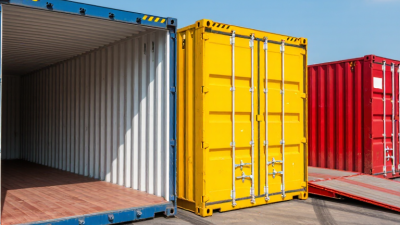
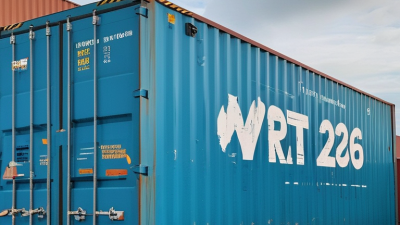
Choosing cargo storage containers is an operational decision, not merely a purchasing task. A container may sit beside a loading dock, face salt air, or protect sensitive stock for months. Its size, floor strength, ventilation, security, and certification can directly affect handling costs and product condition.
UNCTAD’s Review of Maritime Transport reports that more than 80% of global merchandise trade moves by sea. Drewry’s Container Census also places the worldwide container fleet at roughly 50 million TEU. These figures show the scale of the equipment market, but they do not make selection simple. A 40-foot unit may offer more volume, yet a 20-foot container could suit limited access and safer loading. Internal dimensions matter more than advertised capacity. A forklift turning inside a crowded unit is a real test.
Marc Levinson, author of The Box, wrote, “The box changed the world.” His point remains useful. Standardization creates efficiency, but business needs still differ. A food distributor may require airflow and washable surfaces. A machinery supplier may need reinforced flooring and wider doors. An office project may prioritize insulation and personnel access.
There is no perfect container.
I would not rely on price alone. A lower-cost unit can hide corrosion, damaged seals, or uneven floors. Buyers should inspect doors, roof lines, locking bars, corner posts, and certification plates. ISO 668 dimensions and the CSC safety framework offer useful reference points, but local operating conditions still deserve careful review. The right cargo storage containers balance cargo protection, handling efficiency, expected service life, and realistic site constraints.
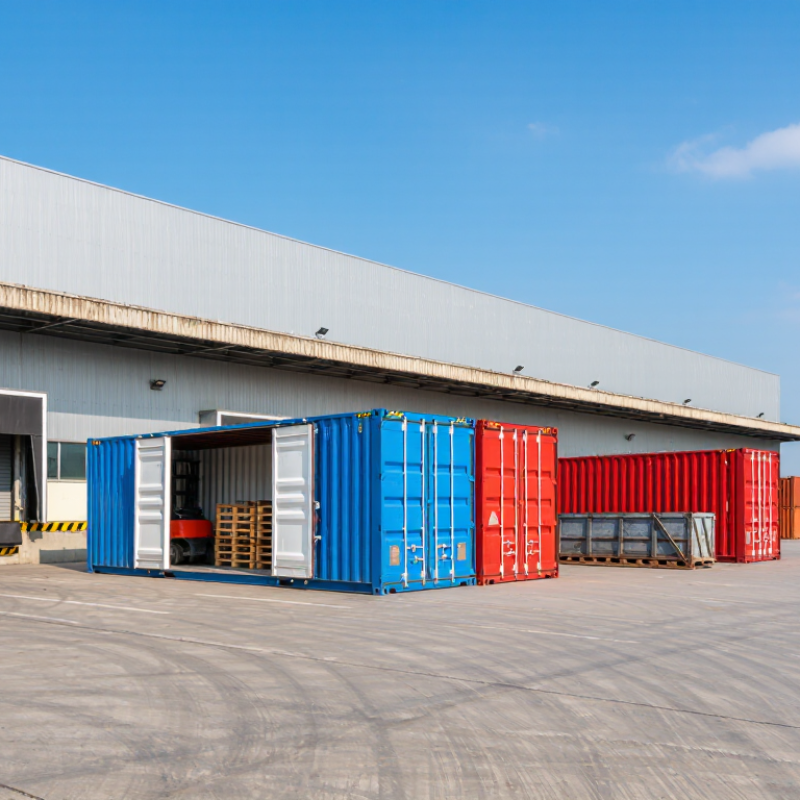
Understanding container types helps businesses match storage conditions with cargo requirements. The UNCTAD Review of Maritime Transport 2024 states that over 80% of global merchandise trade by volume moves by sea. Standard dry containers suit boxed goods, tools, furniture, and packaged materials. High-cube units provide extra vertical space for bulky inventory. Refrigerated containers protect temperature-sensitive food, medicine, and other controlled products. Open-top containers handle tall cargo, while flat racks support machinery and oversized equipment.
Choose by cargo behavior, not appearance. A 20-foot container can support dense goods, while a 40-foot unit offers more volume for lighter stock. Check internal dimensions, door clearance, floor strength, ventilation, and loading equipment. Space matters. The World Bank’s Logistics Performance Index 2023 evaluates tracking, infrastructure, and logistics competence as key supply-chain capabilities. These factors also affect container use. A unit placed far from loading docks may increase handling time and damage risk.
Outdoor storage requires a raised foundation, drainage, secure locks, and regular inspections. Condensation can quietly damage cartons, especially during temperature changes. In practice, businesses sometimes choose the cheapest available unit and regret the poor ventilation later. That is an imperfect decision, but it is common. Measure twice. Ask how long the container will remain onsite, how often cargo moves, and whether seasonal demand changes the required capacity. A clear usage record can reveal that two smaller units work better than one oversized container.

Choosing cargo storage containers begins with the load, not the container label. UNCTAD’s Review of Maritime Transport 2023 reports more than 858 million TEUs handled globally in 2022. This scale shows why small sizing errors can create costly delays. Measure every pallet, including height, aisle clearance, and access space. A standard 20-foot container offers roughly 33 cubic meters internally. A 40-foot unit provides about 67 cubic meters. However, usable capacity decreases when doors, wall ribs, and uneven stacking interfere.
Weight deserves equal attention. A common 20-foot container may carry around 28,000 kilograms of cargo. A 40-foot container often carries less, near 26,000 kilograms, because its gross-weight limit remains similar. Confirm the rating plate on the actual unit. Do not rely on catalog averages. Distribute dense items across the floor, rather than building one heavy corner. Floor loading can become the weak point. It is easy to overlook.
The World Shipping Council reported 576 containers lost at sea in 2023, representing about 0.0002% of containers transported. The figure concerns transport, but it reinforces one practical lesson: weight control and secure loading matter. For business storage, record gross weight, tare weight, pallet count, and the heaviest single item. Leave space for safe handling. A container that technically fits may still be operationally wrong. I have seen teams choose extra volume, then lose usable capacity through poor layout. That mistake deserves a second look.
| Container Type | Typical External Dimensions (L × W × H) |
Approx. Internal Dimensions (L × W × H) |
Usable Volume | Typical Maximum Payload | Approx. Floor Area | Recommended Cargo Profile | Key Planning Consideration |
|---|---|---|---|---|---|---|---|
| Small Storage Container | Approx. 10 ft × 8 ft × 8 ft 6 in (3.05 × 2.44 × 2.59 m) |
Approx. 9 ft 2 in × 7 ft 8 in × 7 ft 10 in (2.80 × 2.34 × 2.39 m) |
About 15–16 m³ | About 8,000–9,000 kg | About 7.4 m² | Documents, tools, spare parts, and small inventory volumes | Confirm that pallets, shelving, and access aisles fit the narrower footprint. |
| Standard 20-Foot Container | Approx. 20 ft × 8 ft × 8 ft 6 in (6.06 × 2.44 × 2.59 m) |
Approx. 19 ft 4 in × 7 ft 8 in × 7 ft 10 in (5.90 × 2.35 × 2.39 m) |
About 33 m³ | About 25,000–28,000 kg | About 14.8 m² | General merchandise, boxed goods, equipment, and palletized stock | A practical choice when both site space and cargo volume are moderate. |
| Standard 40-Foot Container | Approx. 40 ft × 8 ft × 8 ft 6 in (12.20 × 2.44 × 2.59 m) |
Approx. 39 ft 5 in × 7 ft 8 in × 7 ft 10 in (12.03 × 2.35 × 2.39 m) |
About 67 m³ | About 26,000–28,000 kg | About 29.7 m² | High-volume inventory, long products, furniture, and bulk cartons | Measure the delivery route and allow sufficient clearance for placement and door operation. |
| 40-Foot High-Cube Container | Approx. 40 ft × 8 ft × 9 ft 6 in (12.20 × 2.44 × 2.90 m) |
Approx. 39 ft 5 in × 7 ft 8 in × 8 ft 10 in (12.03 × 2.35 × 2.69 m) |
About 76 m³ | About 26,000–28,000 kg | About 29.7 m² | Lightweight, bulky, or tall cargo requiring additional vertical capacity | Check overhead height, wind exposure, and local planning restrictions before installation. |
| Open-Top Container | Usually 20 ft or 40 ft long Width and height generally follow standard dimensions |
Similar to the equivalent standard container, with an open or removable roof | About 33 m³ for 20 ft About 67 m³ for 40 ft |
Generally comparable to the equivalent standard size | About 14.8 m² for 20 ft About 29.7 m² for 40 ft |
Oversized machinery, scrap metal, stone, timber, and top-loaded cargo | Plan for weather protection, lifting equipment, and secure tarpaulin or roof installation. |
| Flat-Rack Container | Usually 20 ft or 40 ft long Ends may be fixed or collapsible |
Platform width is typically about 2.44 m; usable length varies by design | Not rated by enclosed volume | Often about 25,000–40,000 kg, subject to the unit rating | About 14.8 m² for 20 ft About 29.7 m² for 40 ft |
Heavy machinery, vehicles, tanks, pipes, and unusually wide cargo | Verify point loads, lashing points, cargo overhang, and road or lifting restrictions. |
Planning note: Dimensions and payload figures are typical planning ranges. Confirm the container’s identification plate, tare weight, maximum gross mass, local regulations, flooring capacity, and delivery equipment requirements before purchase or rental.
How to Choose Cargo Storage Containers for Your Business?
Material choice affects cost, handling, and long-term protection. Steel containers offer strong impact resistance and suit construction materials, machinery, and dense cargo. Aluminum units weigh less and resist corrosion better, but they may dent more easily. ISO 1496 testing evaluates container strength, weatherproofing, and load performance. These standards provide a useful baseline, not a guarantee of perfect service. I have seen poorly maintained steel units develop floor corrosion before their doors failed.
Security deserves equal attention. Look for recessed locking bars, tamper-resistant hinges, internal lock protection, and reinforced door frames. A heavy padlock alone is not enough. The World Bank’s 2023 Logistics Performance Index emphasizes reliability, tracking, and shipment security as important logistics factors. Choose containers that support inspection records, numbered seals, and controlled access. Small gaps around doors matter. They invite moisture and unauthorized entry.
Weather resistance depends on climate and maintenance. Check roof seams, door gaskets, drainage paths, and floor coatings before purchase. The National Oceanic and Atmospheric Administration reports that air can hold about 7% more moisture for each 1°C increase in temperature. That moisture can accelerate condensation and corrosion inside closed units. UNCTAD’s Review of Maritime Transport 2023 reports that more than 80% of global merchandise trade by volume moves by sea, exposing containers to salt air and changing weather. Ventilation helps, but it can also admit dust. My practical mistake was treating “weatherproof” as permanent; inspections still matter.
Comparing materials, security features, and weather resistance on a 1–5 practical rating scale
Steel containers provide the strongest overall protection and weather resistance, making them suitable for long-term outdoor storage and high-value cargo. Aluminum containers are lighter and naturally resistant to corrosion, while plastic containers are easier to move and work well for smaller, lower-risk loads. Actual performance depends on construction quality, locks, seals, maintenance, and installation conditions.
Placement also affects daily productivity. Position the container near the loading zone, but keep pedestrian routes clear. Avoid low ground where rainwater collects. Measure door swing space, turning circles, and overhead obstacles before delivery. A level base is essential. I would not trust compacted soil without checking drainage and seasonal movement. That assumption can become expensive.
Maintenance needs should be visible in the purchase decision. Inspect hinges, seals, roof joints, locks, and floor panels on a planned schedule. Look for rust beneath edges and moisture around stored cartons. Good ventilation can limit condensation, but it cannot correct wet cargo. Local zoning, fire-safety, access, and placement rules may require approval or inspection. Confirm requirements with the relevant authority before installation. Weight limits may also apply to the site surface and transport route. Keep inspection records, service dates, and capacity details together. This creates reliable evidence when staff change or problems appear. A cheaper unit may seem practical, yet difficult access or frequent repairs can quietly reduce its value.
Calculating costs begins with more than the container’s purchase price. Include delivery, ground preparation, security locks, inspections, maintenance, and insurance. Purchase price is only one line. Measure the usable interior space, then calculate the cost per cubic meter. A cheaper container may have dents, worn seals, or difficult doors. Those issues can increase handling time and damage stored goods. Request written quotations with identical specifications, delivery distances, and service terms.
Your operating conditions should guide the container choice. A dry warehouse may need different protection than an outdoor loading area exposed to rain and strong sunlight. Check ventilation, door placement, floor strength, and available turning space for vehicles. Select a size that supports current stock without wasting expensive space. If inventory changes often, flexible access may matter more than maximum volume. Rental can reduce upfront spending, while purchasing may cost less over several years. Compare both options using monthly and annual totals.
A simple spreadsheet helps, but it can still mislead. Forecasts rarely match real operations perfectly. Add a reasonable contingency for delayed delivery, repairs, or changing storage needs. Review the calculation with warehouse staff, because they understand daily access problems better than a sales sheet. I once underestimated clearance space in a planning exercise; the container fit, but loading became awkward. That small mistake changed the practical cost. Reliable selection balances numbers, site evidence, and future flexibility.