Choosing the best second hand storage containers requires more than comparing prices and photographs. A used container may look sound outside, yet hide floor damage, roof leaks, or stiff door seals. Practical inspection matters. Walk around the unit in daylight. Check the corner posts, locking bars, welds, and ventilation points. Step inside and notice musty smells, damp patches, or uneven flooring. Small clues often reveal larger maintenance issues.
Reliable guidance should combine hands-on experience with recognized container practices. Sellers should provide clear dimensions, age details, repair records, and recent inspection images. Buyers should also confirm delivery access, ground preparation, and local placement requirements before paying. A cheaper unit can become expensive after transport, repairs, or drainage work. It happens.
The right choice depends on your storage purpose, available space, climate, and budget. A weather-resistant unit may suit tools, furniture, or business stock, while delicate items may need added insulation and moisture control. Standard cargo containers are not automatically perfect storage rooms. Their condition varies greatly. Even experienced buyers can overlook hidden corrosion beneath paint or repairs that were poorly finished.
This guide compares the most useful types of second hand storage containers. It considers condition, security, ventilation, maintenance history, and long-term value. The goal is not to promote the lowest price. It is to help you choose a dependable container with realistic expectations and fewer costly surprises. Each recommendation should be checked against the seller’s evidence and your site’s specific needs.
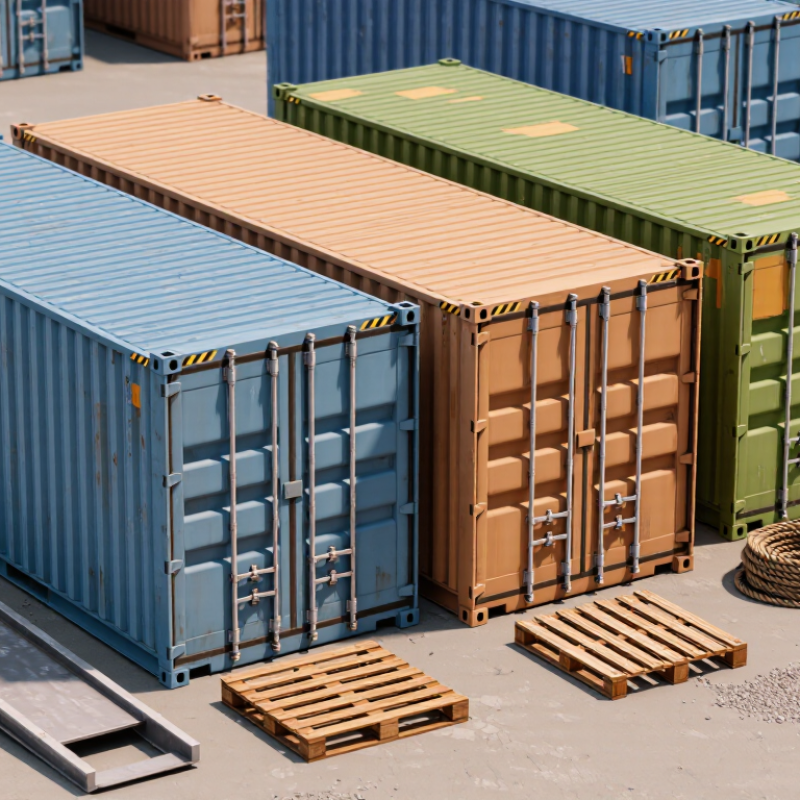
What Are the Best Second Hand Storage Containers?
Used containers should be classified by ISO 668, not by appearance alone. A standard 20-foot container measures about 6,058 millimetres long and 2,438 millimetres wide externally. It offers roughly 33 cubic metres of internal space. A 40-foot container doubles the nominal length, reaching about 12,192 millimetres. It normally provides close to 67 cubic metres.
High-cube versions are taller. ISO 668 sets their external height at about 2,896 millimetres, compared with 2,591 millimetres for standard units. That extra 305 millimetres matters when storing furniture, insulation panels, or tall shelving. In practical inspections, measure the door opening too. Internal dimensions can shrink after repairs.
UNCTAD’s Review of Maritime Transport 2024 reported global maritime trade growth of 2.4% in 2023. This continued movement supports a large supply of used equipment, but age and condition vary widely. A sound 20-footer suits compact storage and easier site access. A 40-footer offers better capacity per placement. High-cubes are valuable for volume, though delivery height can become a problem.
Check the CSC plate, floor condition, roof patches, door seals, and corner posts. Look closely. ISO classification does not guarantee watertightness or structural quality. Some older units appear acceptable outside but conceal damp timber floors or distorted doors. I would also remeasure before ordering; nominal sizes are dependable, yet real usable space is not always identical.
| ISO 668 Container Type | Common Description | External Dimensions (L × W × H) |
Approx. Internal Dimensions (L × W × H) |
Approx. Internal Volume | Typical Door Opening (W × H) |
Typical Tare Weight* | Typical Used-Container Application | Recommended Inspection Points |
|---|---|---|---|---|---|---|---|---|
| 1CC / 20-foot General Purpose | 20-foot standard-height dry container | 6,058 × 2,438 × 2,591 mm 20 × 8 × 8 ft 6 in |
5,898 × 2,350 × 2,390 mm 19 ft 4 in × 7 ft 8 in × 7 ft 10 in |
Approximately 33.2 m³ 1,172 ft³ |
Approximately 2,340 × 2,280 mm | Approximately 2,200–2,400 kg | Compact storage, tools, workshop equipment, machinery, household goods, and site storage where access space is limited. | Check floor condition, corner posts, door alignment, locking bars, roof leaks, and corrosion around the lower rails. |
| 1C / 40-foot General Purpose | 40-foot standard-height dry container | 12,192 × 2,438 × 2,591 mm 40 × 8 × 8 ft 6 in |
12,032 × 2,350 × 2,390 mm 39 ft 5 in × 7 ft 8 in × 7 ft 10 in |
Approximately 67.7 m³ 2,390 ft³ |
Approximately 2,340 × 2,280 mm | Approximately 3,700–4,000 kg | Large-volume storage, furniture, inventory, construction materials, agricultural supplies, and warehouse overflow. | Inspect the full length of the roof and floor, verify that the container sits level, and check for frame twisting or excessive side-panel dents. |
| 1C / 40-foot High Cube | 40-foot high-cube dry container | 12,192 × 2,438 × 2,896 mm 40 × 8 × 9 ft 6 in |
12,032 × 2,350 × 2,695 mm 39 ft 5 in × 7 ft 8 in × 8 ft 10 in |
Approximately 76.3 m³ 2,696 ft³ |
Approximately 2,340 × 2,585 mm | Approximately 3,900–4,300 kg | Maximum-volume storage, tall equipment, palletized goods, retail stock, workshops, and projects requiring additional internal height. | Confirm available headroom, inspect the taller corner posts and roof, measure the installation site, and allow for delivery and lifting clearance. |
Buying a second-hand storage container requires more than checking its paint and price. The CSC safety plate is the practical starting point. It should be legible, securely attached, and consistent with the container’s identification markings. Check the approval number, maximum gross weight, tare weight, and examination information. Small details matter. A scratched plate may hide critical information, so request clear photographs before traveling. Confirm the plate belongs to that exact unit, not another container.
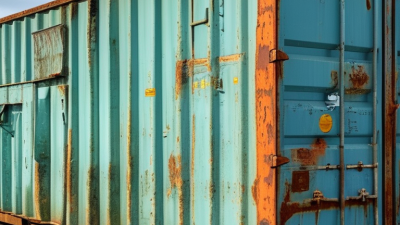
Structural integrity deserves a hands-on inspection. Look along the corner posts, roof rails, door headers, and bottom side rails. These areas carry loads and often reveal twisting or impact damage. Open both doors and inspect the locking bars, hinges, gaskets, and floor. Watch for daylight, standing water, soft timber, fresh welds, or uneven doors. A recent repair is not automatically unsafe, but poor workmanship can weaken the frame. I once focused too much on surface rust and missed a slightly bent corner fitting.
Inspection validity must match the container’s actual use and destination. Check the last examination date and the required interval shown on the plate. Many units follow a five-year initial inspection, with later examinations at intervals around thirty months. Some operate under an approved continuous examination program instead. Verify the scheme with the seller and a qualified inspector. Do not rely on a faded sticker or verbal assurance. Records may be incomplete. That is a reason to pause, not guess. A professional report should identify defects, repairs, measurements, and service limitations.
What Are the Best Second Hand Storage Containers?
The best second-hand container depends on your available space and storage purpose. ISO 668 dimensions provide a useful starting point. A standard 20-foot unit measures about 6.06 metres long and 2.44 metres wide. A 40-foot unit is roughly 12.19 metres long. Interior space is smaller because of wall thickness and flooring. Measure your site carefully. One overlooked centimetre can create an expensive problem.
Door design affects daily access. End doors suit pallet storage and general household items. Double-end doors improve loading through both sides. Side-opening units offer wider access, but their seals require closer inspection. Check hinges, locking bars, and rubber gaskets for stiffness or gaps. I once underestimated door clearance beside a wall. It worked, but loading became awkward. That mistake still influences my site measurements.
Flooring deserves practical attention. Marine-grade plywood is common, while steel flooring handles heavier use but may increase condensation concerns. Look underneath for dampness, soft areas, repairs, or unusual smells. Ventilation is equally important. Small passive vents can reduce stagnant air, yet they cannot fix serious water entry. Inspect internal corners after rainfall when possible. A dry-looking container may still hide moisture beneath the floor. Some recommendations sound certain, but local weather and stored materials can change the right choice. Safety, condition, and accessible inspection matter more than a low purchase price.
What Are the Best Second Hand Storage Containers?
Evaluate Payload Against the 30,480-Kilogram ISO Maximum Gross Mass
The 30,480-kilogram ISO maximum gross mass includes the container and its contents. It is not the usable payload. A second-hand 20-foot container may weigh 2,300 to 2,500 kilograms when empty. Its theoretical payload may therefore reach about 27,980 kilograms. That figure matters. However, the original rating plate remains decisive. Check its tare weight, maximum gross mass, and inspection markings before purchase. ISO 668 provides the dimensional and rating framework, while the container’s safety plate confirms its individual limits.
UNCTAD’s Review of Maritime Transport 2024 states that maritime shipping carries over 80% of global merchandise trade by volume. Small weight errors can therefore create expensive handling problems. For a used unit, inspect corrosion around corner posts, repaired roof panels, door alignment, and floor damage. These defects may reduce practical loading confidence, even when the plate shows 30,480 kilograms. Measure it. A certified weighbridge and verified gross mass record support safer transport planning under SOLAS requirements. Road axle limits, lifting equipment limits, and terminal rules can also be lower than the ISO maximum. I would not trust a clean appearance alone. My first payload estimate may be wrong if repairs or moisture have changed the tare weight. Reweighing is the less convenient, more reliable choice.
Evaluate Payload Against the 30,480-Kilogram ISO Maximum Gross Mass
The chart uses representative tare weights for common second-hand ISO container types. Payload is calculated as the 30,480-kilogram maximum gross mass minus tare weight. Actual capacity depends on the container’s certification plate, condition, local transport regulations, and cargo distribution.
The best second-hand storage container depends on the site, not the paintwork.
UNCTAD reported about 858 million TEUs of container port throughput in 2023. That scale creates a wide used market, but condition varies sharply between units.
Measure the entrance, turning radius, and unloading surface before choosing a 20-foot or 40-foot unit. A narrow yard may need a smaller container, even when extra capacity looks economical. ISO 668:2020 provides standard external dimensions, but delivery trucks still need practical clearance. Check the floor for soft boards and confirm that doors open fully. Small access mistakes become expensive.
Climate exposure deserves a close inspection. Look along roof seams, corner posts, and door gaskets for pinholes, rust bubbles, or daylight. ISO 1496-1 weatherproofness requirements are useful references, but an old compliance plate does not guarantee today’s condition. In coastal areas, salt corrosion can hide beneath fresh paint. In wet climates, ventilation and raised placement matter.
I would not trust paint alone.
Security needs physical planning. Use a protected lock area, strong site lighting, and anchoring where wind or vehicle movement is possible. Refurbishment may include patching, repainting, replacing door seals, and repairing flooring. Ask for repair history and recent photographs.
The Container xChange 2024 market analysis notes strong regional variation in used-container availability and pricing, so a cheaper unit may simply need more work. That trade-off is easy to underestimate.